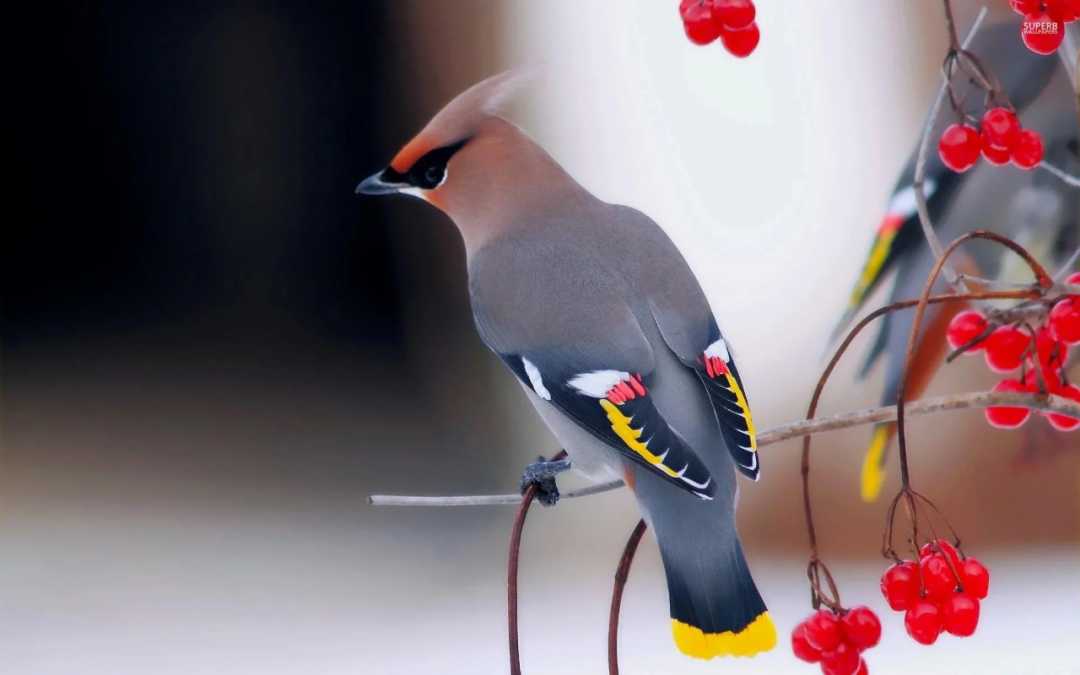
The Bohemian Waxwing: A Northern Forest Jewel in Silken PlumageThe Bohemian Waxwing: A Northern Forest Jewel in Silken Plumage
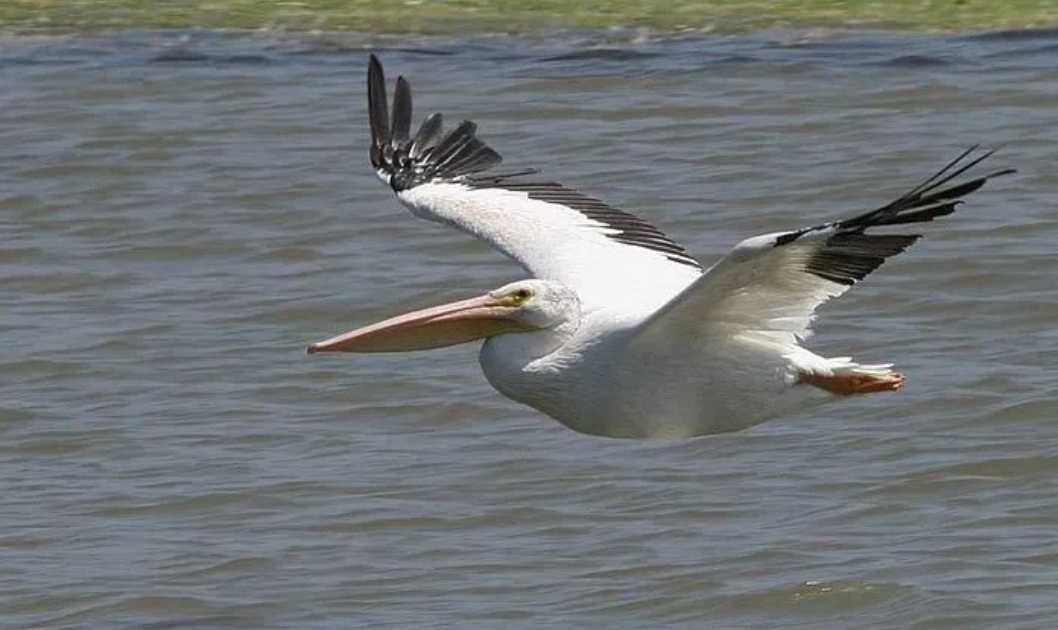
Pelecanus erythrorhynchos: The Majestic American White Pelican of North AmericaPelecanus erythrorhynchos: The Majestic American White Pelican of North America
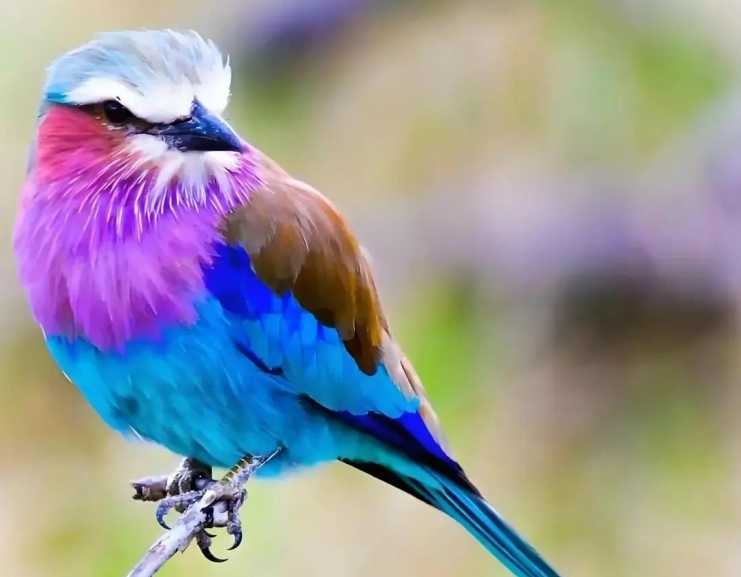
The Lilac-breasted Roller: Africa’s Iridescent Avian Jewel with a Spiritual NameThe Lilac-breasted Roller: Africa’s Iridescent Avian Jewel with a Spiritual Name
Pelecanus erythrorhynchos: The Magnificent American White Pelican of North AmericaPelecanus erythrorhynchos: The Magnificent American White Pelican of North America
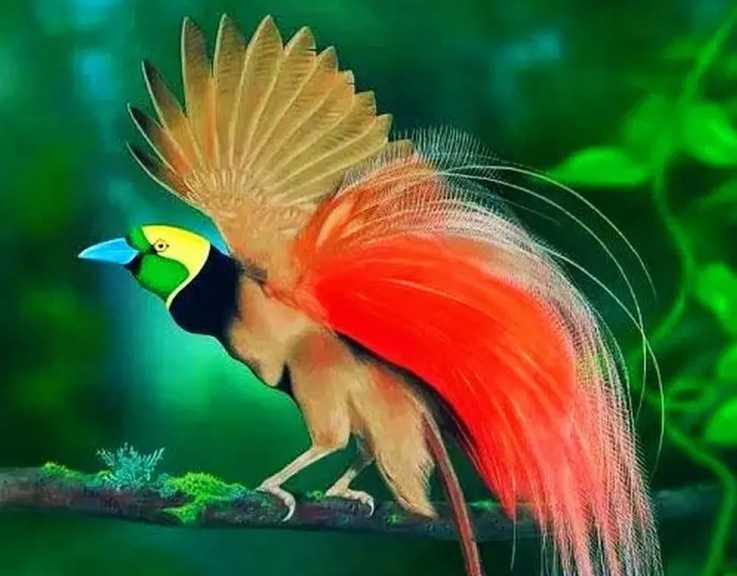
The Greater Bird of Paradise: New Guinea’s Avian Wonder Once Thought a MythThe Greater Bird of Paradise: New Guinea’s Avian Wonder Once Thought a MythEndemic to New Guinea, the greater bird of paradise (Paradisaea apoda) belongs to the Paradisaeidae family, feasting on fruits and insects. So extraordinary is its beauty that 19th-century European naturalists doubted its existence, suspecting its vividly plumed specimens were fraudulent "mythical creatures."
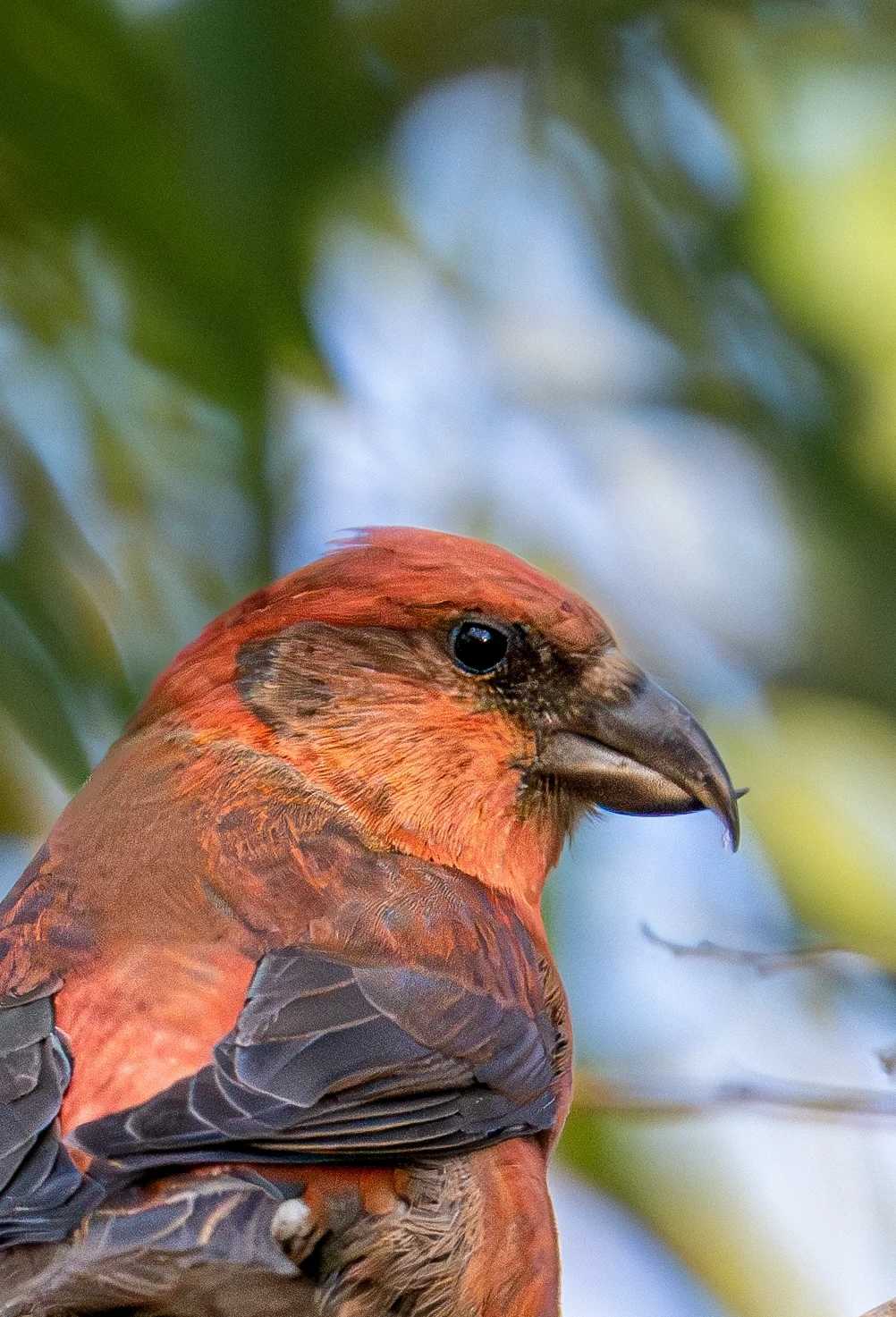
Loxia curvirostra: The Enigmatic Crossbill of Northern Coniferous ForestsLoxia curvirostra: The Enigmatic Crossbill of Northern Coniferous ForestsLoxia curvirostra, commonly known as the common crossbill, is a small yet captivating songbird renowned for its distinctive bill shape and adaptability to the cold, dense coniferous forests of the Northern Hemisphere. As a key inhabitant of these ecosystems, it plays a vital role in seed dispersal and forest dynamics.
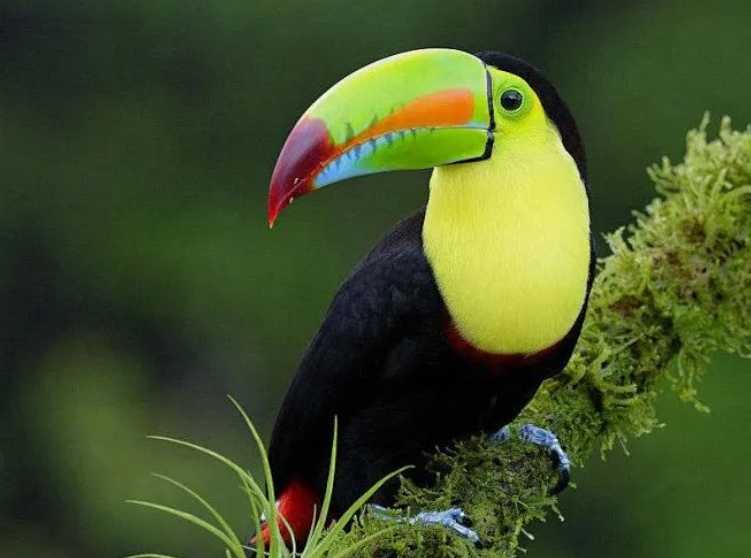
The Keel-billed Toucan: Central America’s Colorful Beak MasterpieceThe Keel-billed Toucan: Central America’s Colorful Beak MasterpieceScientifically named Ramphastos sulfuratus, the keel-billed toucan belongs to the Ramphastidae family, measuring 42–55 cm in length. Inhabiting lowland rainforests from Mexico to Colombia in Central America, this fruit- and insect-eating bird holds the honor of being Belize’s national bird, captivating all with its striking appearance.
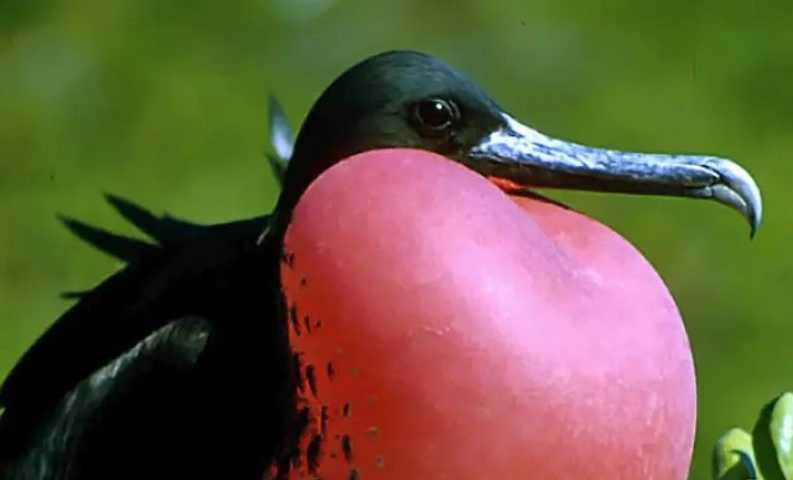
Fregata magnificens: The Regal Magnificent Frigatebird of Tropical OceansFregata magnificens: The Regal Magnificent Frigatebird of Tropical OceansFregata magnificens, commonly known as the magnificent frigatebird, is a towering seabird that commands the skies over tropical marine ecosystems. With its imposing size and aerial prowess, this species is a symbol of the open ocean’s grandeur, thriving in the warm waters and island-dotted landscapes of the tropics.
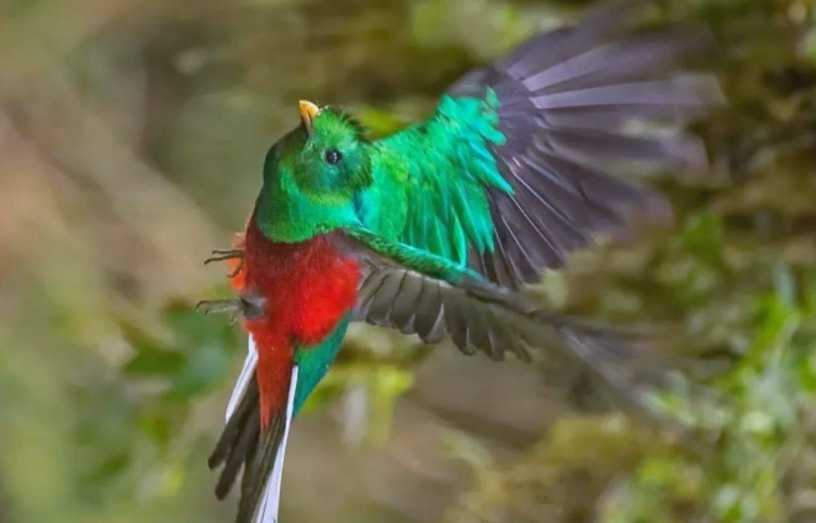
The Resplendent Quetzal: Mesoamerica’s Emerald Avian Deity and Symbol of FreedomThe Resplendent Quetzal: Mesoamerica’s Emerald Avian Deity and Symbol of FreedomScientifically named Pharomachrus mocinno, this trogon is endemic to Central American rainforests, measuring 35 cm in length and feasting on insects and fruits. Its cultural significance rivals its biological splendor: in ancient Maya civilization, it was revered as the incarnation of the feathered serpent god Quetzalcoatl, with its emerald plumage reserved exclusively for royalty. Today, it serves as Guatemala’s national bird, embodying freedom and divinity.
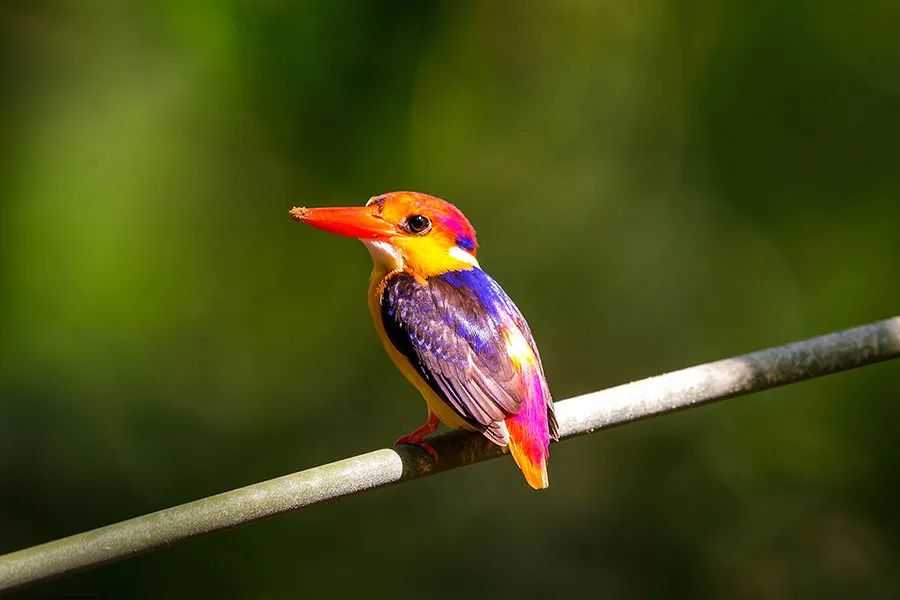
Ceyx pictus: The Diminutive African Pygmy Kingfisher of Sub-Saharan WetlandsCeyx pictus: The Diminutive African Pygmy Kingfisher of Sub-Saharan WetlandsCeyx pictus, the African pygmy kingfisher, is a tiny yet vibrant jewel of the avian world, captivating observers with its striking colors and elusive nature. Endemic to the forested wetlands of Sub-Saharan Africa, this small member of the Alcedinidae family plays a crucial role in the delicate ecosystems it inhabits, despite its unassuming size.
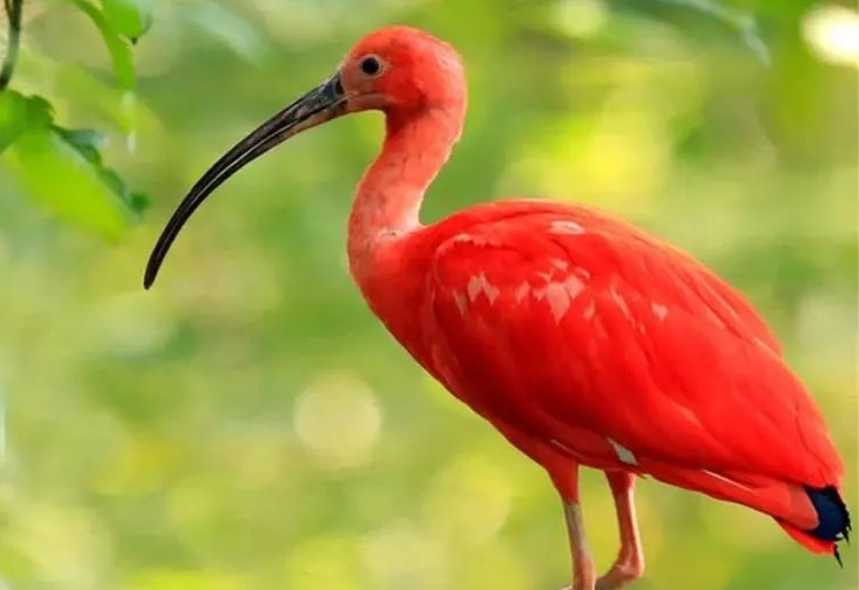
The American Flamingo: Nature’s Most Vibrant Scarlet WonderThe American Flamingo: Nature’s Most Vibrant Scarlet WonderScientifically named Phoenicopterus ruber, this stork-like wading bird measures 56–61 cm, inhabiting coastal wetlands, mangroves, and marshes across northern South America. Feeding on crabs and small fish, it boasts a wild lifespan of 15 years—reaching 20 in captivity. As the national bird of Trinidad and Tobago, it earns its fame from a singular trait: every feather, down to its legs, blazes in nature’s most intense scarlet, a hue so vivid it’s dubbed the "world’s reddest bird."
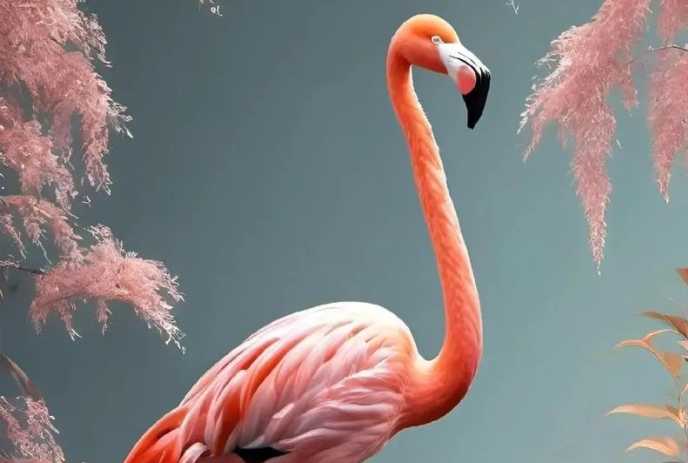
The Flamingo: Nature’s Pink Ballet Dancers and Solar SymbolsThe Flamingo: Nature’s Pink Ballet Dancers and Solar SymbolsScientifically classified under Phoenicopteridae, flamingos are majestic wading birds spanning 1–2 meters in length, comprising 3 genera and 6 species. Inhabiting salt lakes and marshy shallows across Africa, South America, and India, these social birds form massive flocks, feasting on algae and shrimp. Revered by the ancient Greeks as incarnations of Apollo, the sun god, their elegance has captivated human imagination for millennia.
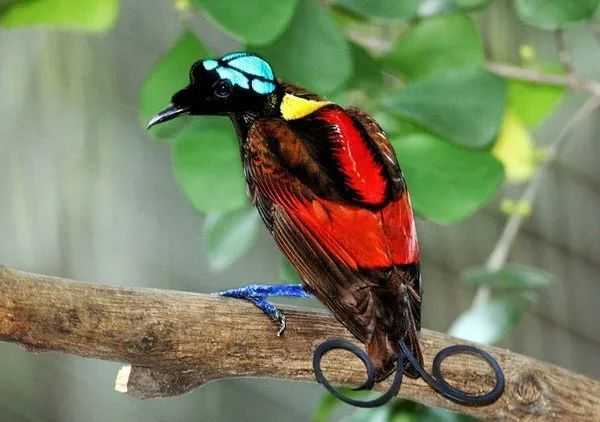
Wilson's Bird-of-Paradise: New Guinea’s Living Masterpiece of Avian ArtistryWilson's Bird-of-Paradise: New Guinea’s Living Masterpiece of Avian ArtistryScientifically named Diphyllodes respublica, this diminutive bird-of-paradise inhabits New Guinea’s rainforests, measuring around 20 cm and feasting on fruits and insects. Hailed as one of the world’s most beautiful birds, its compact form is a canvas of nature’s boldest palette: emerald green, sunshine yellow, jet black, snow white, and vivid blue, seamlessly blended in an evolutionary tour de force.
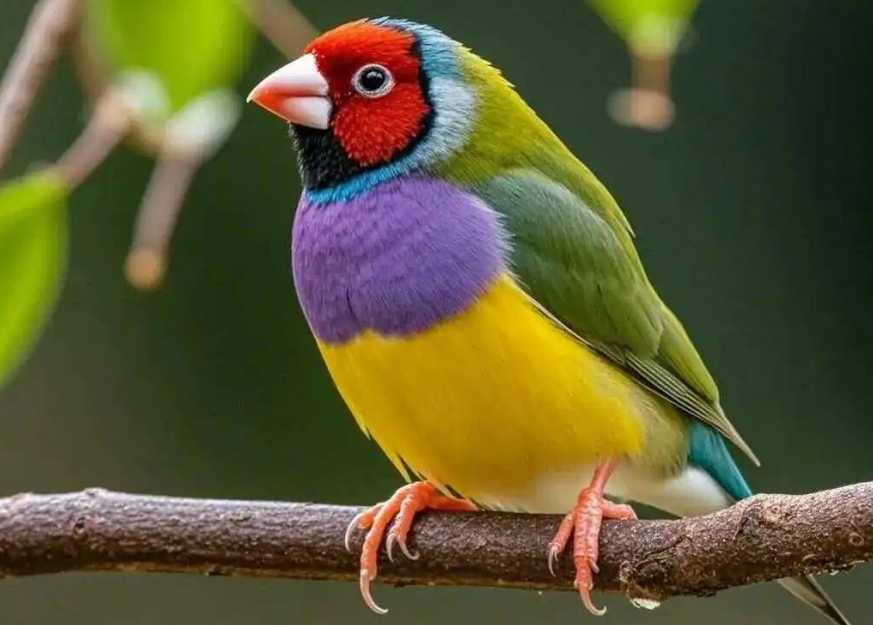
The Gouldian Finch: Australia’s Jeweled Songbird and Victorian Status SymbolThe Gouldian Finch: Australia’s Jeweled Songbird and Victorian Status SymbolScientifically named Chloebia gouldiae, this 12-cm passerine native to Australia’s savannas feasts on grass seeds and insects. Though wild populations now number fewer than 2,500, its dazzling plumage has made it a globally cherished ornamental bird, with captive-bred varieties outnumbering their wild counterparts.
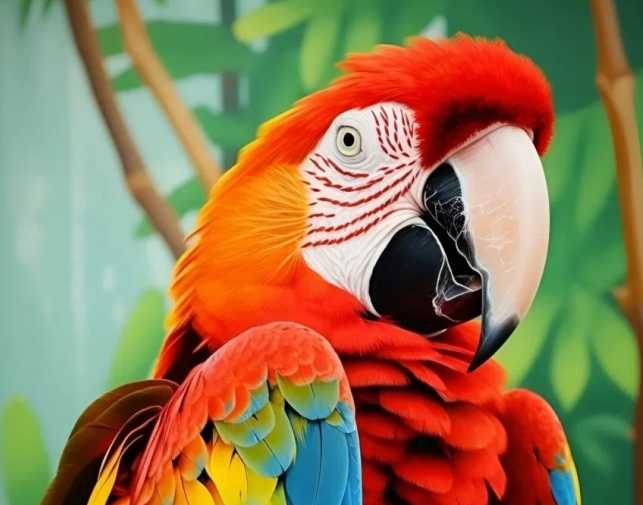
The Scarlet Macaw: South America’s Living Palette and Darwin’s 'Divine Color Explosion'The Scarlet Macaw: South America’s Living Palette and Darwin’s 'Divine Color Explosion'Scientifically named Ara macao, this majestic parrot dominates South America’s rainforests, stretching 85 cm in length and feasting on nuts and fruits. Charles Darwin himself famously described it as "nature’s palette spilled across the avian world"—a fitting tribute to its jaw-dropping plumage: a cobalt-blue head and wings, golden-yellow neck ring, emerald-green back, and scarlet tail feathers. The resulting color clash is so vivid that in flight, it resembles a rainbow in motion, with each wingbeat flashing a spectrum of primary hues.
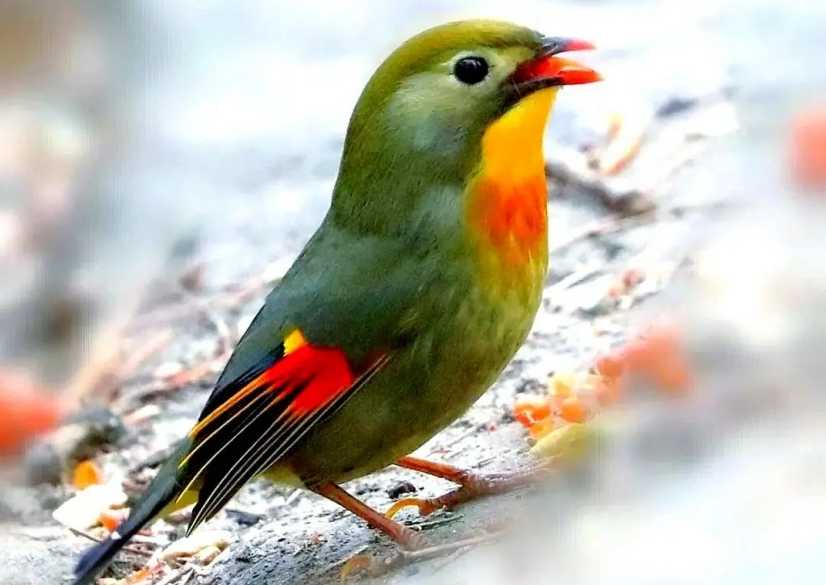
The Red-billed Leiothrix: China’s Enchanting 'Lovebird' and Melodious SongsterThe Red-billed Leiothrix: China’s Enchanting 'Lovebird' and Melodious SongsterScientifically named Leiothrix lutea, this 15-cm songbird is a common sight in southern China, feasting on insects and berries. Renowned as the "lovebird," it’s cherished for its monogamous nature—pairs remain inseparable, symbolizing unwavering love in Chinese culture. Often depicted in traditional ink wash paintings, their paired silhouettes adorn scrolls alongside peach blossoms, while their clear, flute-like calls have earned them the title "Chinese Nightingale."
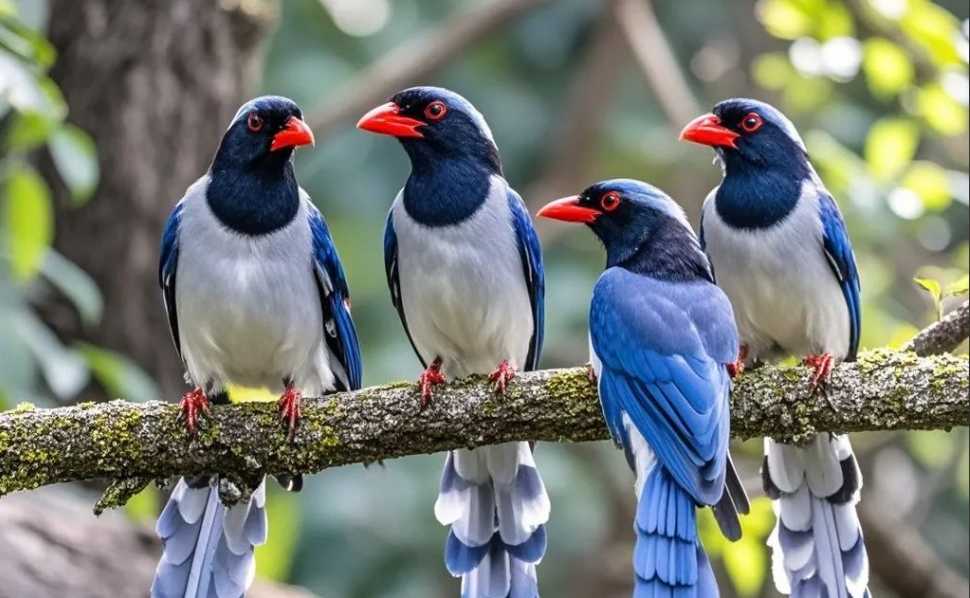
The Red-billed Blue Magpie: China’s Enigmatic 'Mountain Phoenix' and Avian Elegance PersonifiedThe Red-billed Blue Magpie: China’s Enigmatic 'Mountain Phoenix' and Avian Elegance PersonifiedScientifically named Urocissa erythroryncha, this 65-cm corvid is a common sight in southern China’s mountain forests, feasting on insects and fruits. Revered in folklore as the "mountain phoenix," it’s celebrated as one of China’s most visually striking native birds, captivating observers with its dramatic plumage and graceful demeanor.
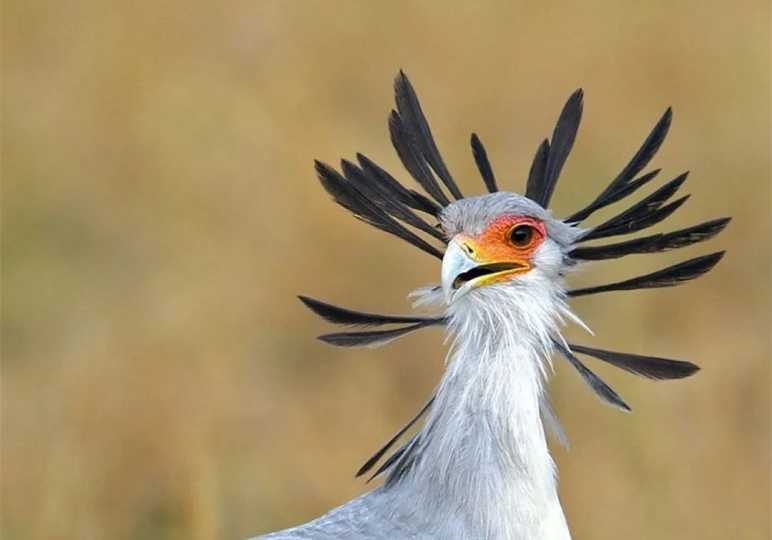
The Secretarybird: Africa’s Majestic Serpent-Hunter and Walking RaptorThe Secretarybird: Africa’s Majestic Serpent-Hunter and Walking RaptorScientifically named Sagittarius serpentarius, this iconic raptor of sub-Saharan Africa belongs to the family Sagittariidae, standing 1.2–1.5 meters tall with a 2.1-meter wingspan. Renowned for its long legs and terrestrial lifestyle, it earns the nickname "African marching eagle," covering 20–30 kilometers daily on foot. Its name stems from the 20 black crest feathers on its head, resembling the quill pens once tucked behind secretaries’ ears—feathers that erect into a dramatic fan when the bird is agitated, framed by vivid orange-red bare skin around the eyes.
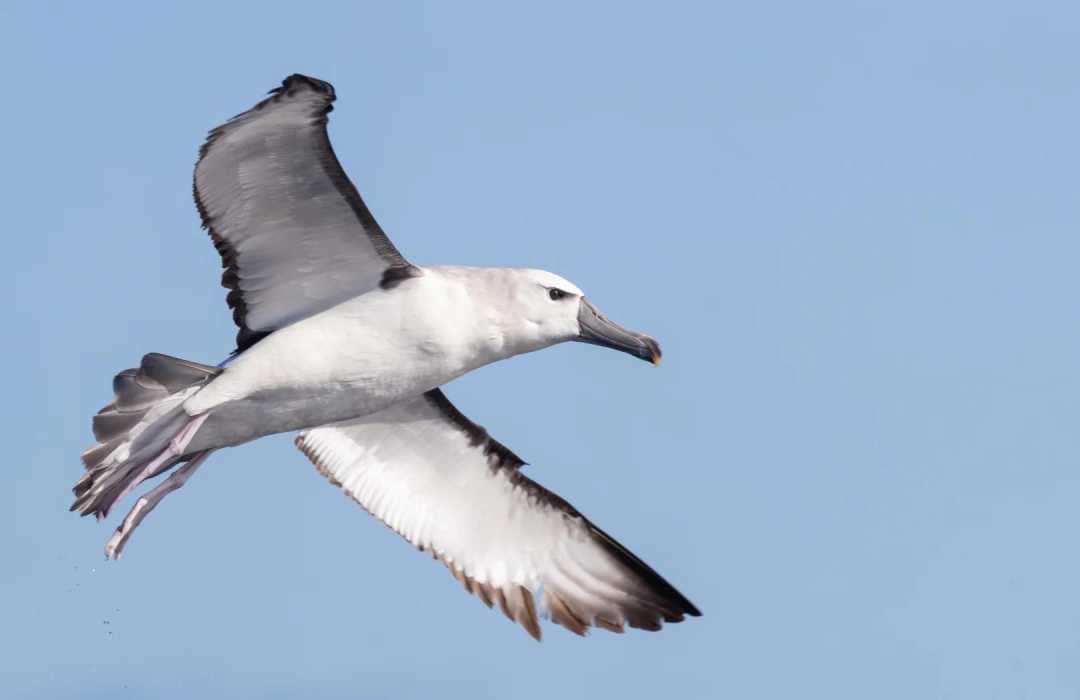
The Albatross: The Southern Ocean’s Soaring Sleep ExpertThe Albatross: The Southern Ocean’s Soaring Sleep ExpertWith wingspans exceeding 3 meters, albatrosses reign as the Southern Ocean’s ultimate flight virtuosos, capable of continuous flights lasting weeks without touching land. Their lives are a testament to maritime endurance—spending most existence adrift over waves, they’ve even mastered the art of sleeping mid-flight.
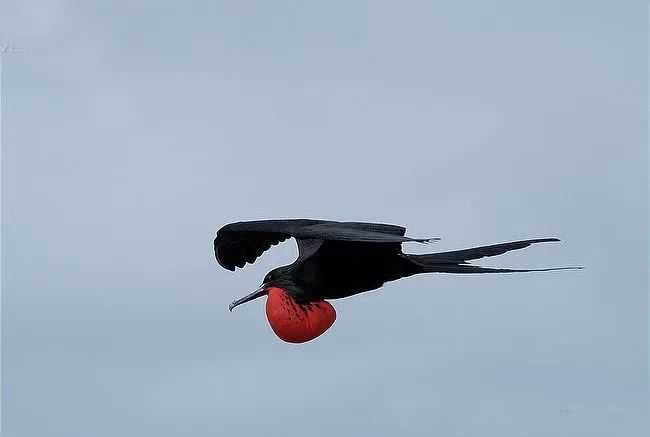
The Frigatebird: Tropical Oceans’ Aerial Pirates and Sleep-in-Flight SpecialistsThe Frigatebird: Tropical Oceans’ Aerial Pirates and Sleep-in-Flight SpecialistsLiving primarily in tropical oceans, frigatebirds boast wingspans exceeding 2 meters, with males sporting a distinctive red throat pouch that inflates like a scarlet balloon during courtship. These avian marvels are renowned for their ability to fly continuously for two months without touching water—even sleeping mid-air.