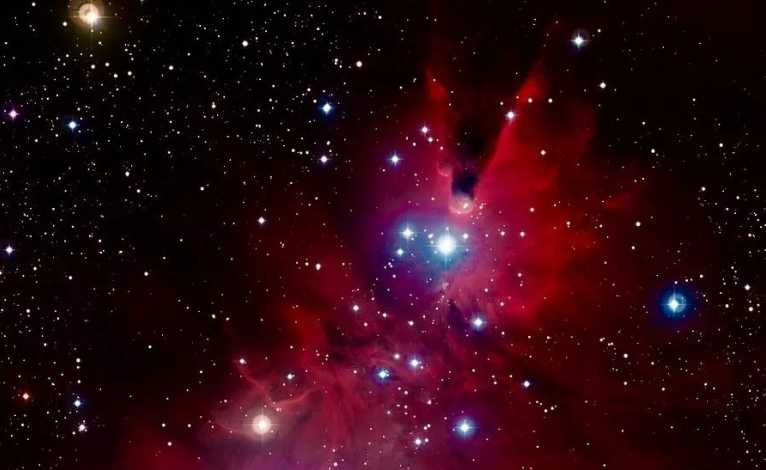
Sparkling Icicles, Fiery Red 'Christmas Trees'—The Celestial Spectacle of the Christmas Tree Star ClusterSparkling Icicles, Fiery Red 'Christmas Trees'—The Celestial Spectacle of the Christmas Tree Star Cluster
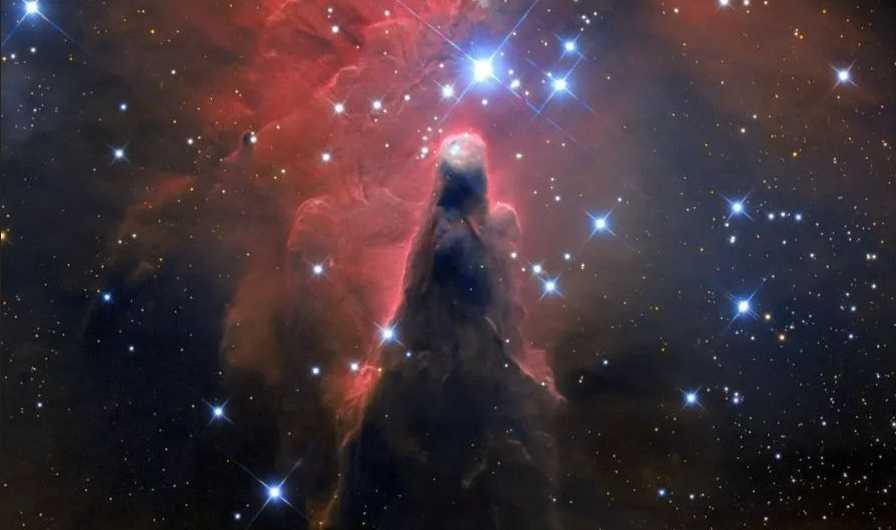
Revealing the Cone Nebula: The 'Dark Knight' Within the Christmas Tree ClusterRevealing the Cone Nebula: The 'Dark Knight' Within the Christmas Tree Cluster
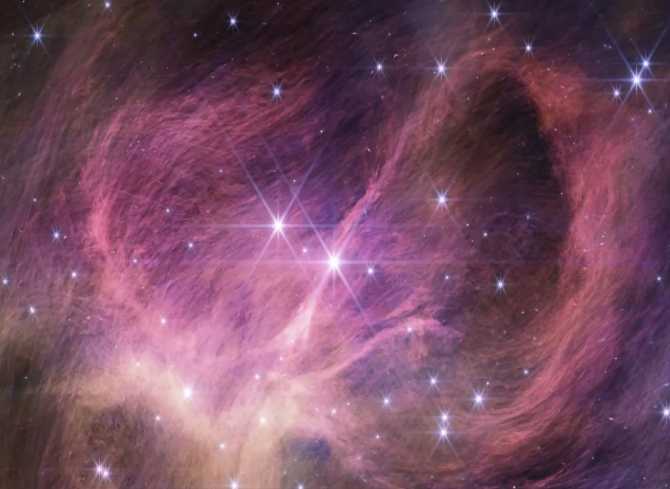
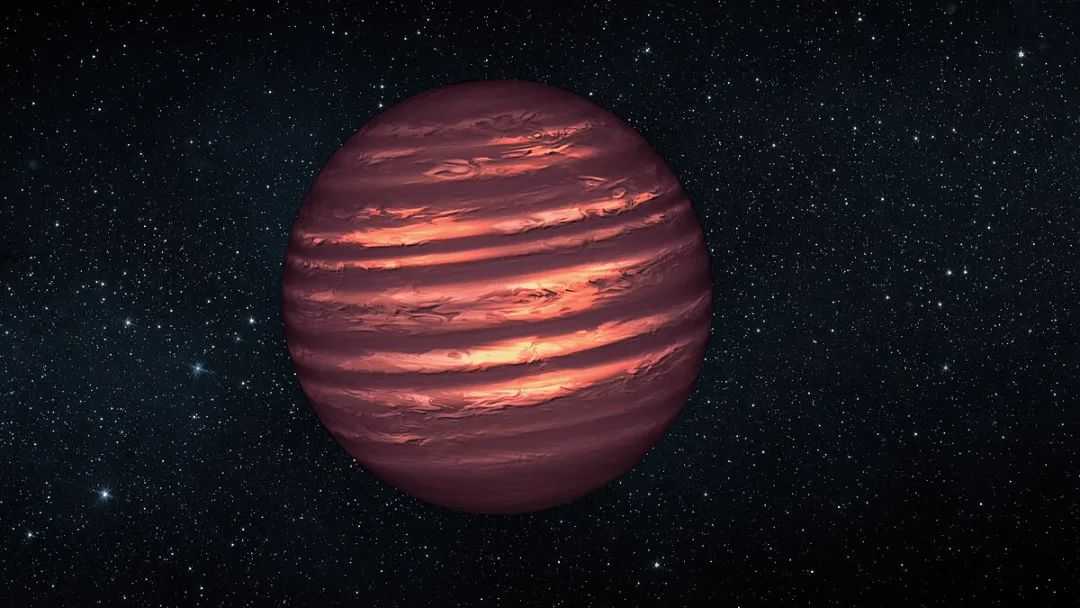
JWST Discovers Tiny Brown Dwarf Just 3-4x Jupiter’s Mass: A Cosmic 'Failed Star' in the MakingJWST Discovers Tiny Brown Dwarf Just 3-4x Jupiter’s Mass: A Cosmic 'Failed Star' in the Making
The Core Value of Brown Dwarf Research: Unlocking Cosmic Mysteries Between Stars and PlanetsThe Core Value of Brown Dwarf Research: Unlocking Cosmic Mysteries Between Stars and Planets
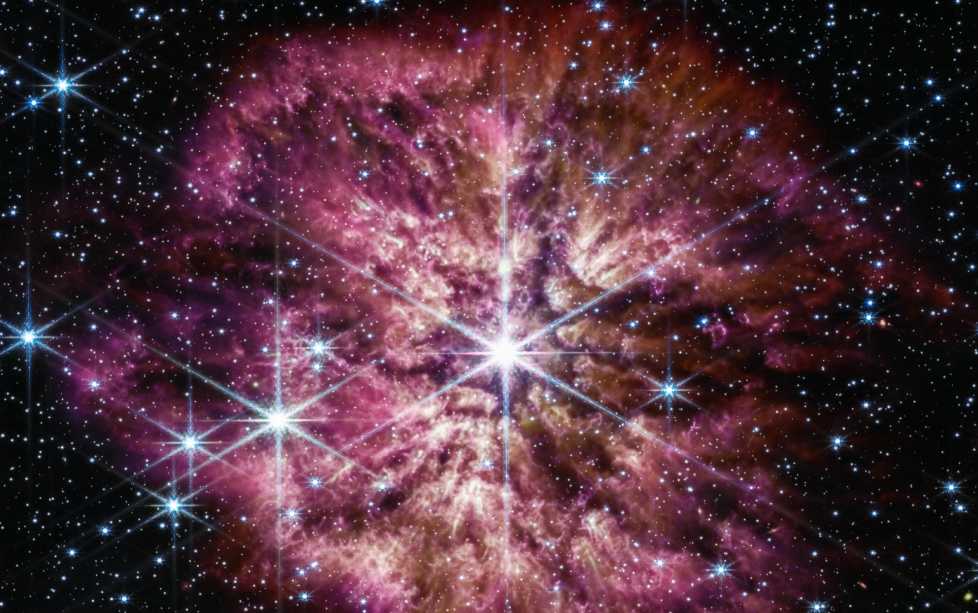
JWST Captures Stunning Portrait of Dying Wolf-Rayet Star WR-124 in Cosmic FarewellJWST Captures Stunning Portrait of Dying Wolf-Rayet Star WR-124 in Cosmic FarewellA breathtaking image from the James Webb Space Telescope (JWST) reveals Wolf-Rayet star WR-124, a 30-solar-mass behemoth 15,000 light-years away in Sagittarius. First observed in June 2022, the star has ejected 10 solar masses of gas and dust, forming a spectacular nebula—an unprecedented view of a star in its final, violent stages before a potential supernova.
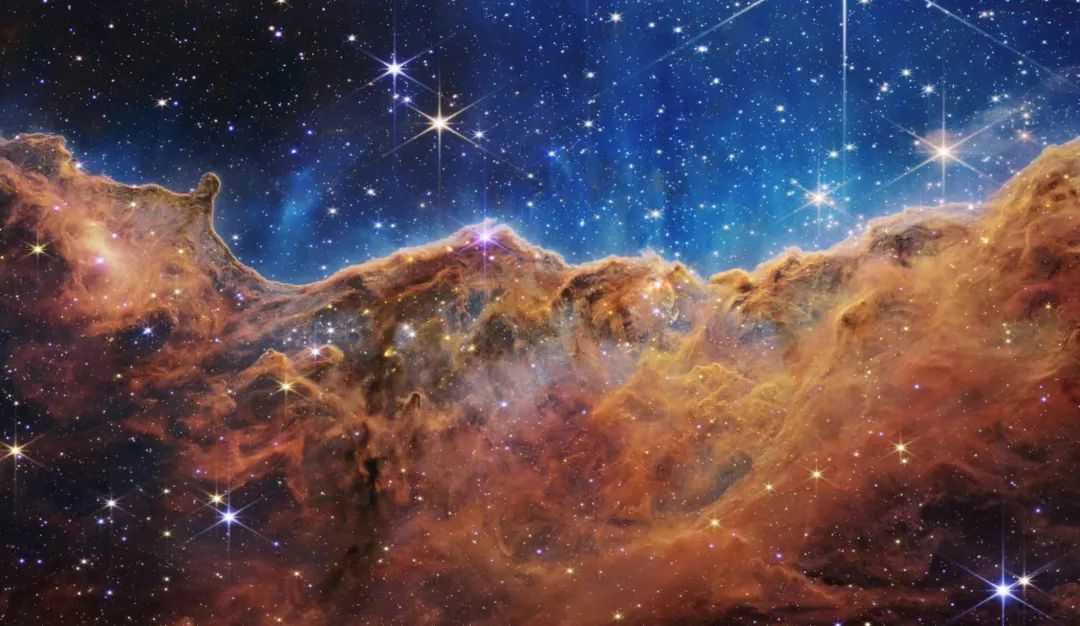
The Carina Nebula (NGC 3372) and NGC 3324: A Southern Sky Stellar NurseryThe Carina Nebula (NGC 3372) and NGC 3324: A Southern Sky Stellar NurseryThe Carina Nebula, officially cataloged as NGC 3372, is one of the Milky Way’s most spectacular nebulae, located ~7,500 light-years away in the southern constellation Carina. Visible to the naked eye from the Southern Hemisphere, it spans over 200 light-years and serves as a cosmic theater for massive star birth and evolution. NGC 3324, a prominent substructure in its northwestern corner, was first documented by astronomer James Dunlop in 1826.
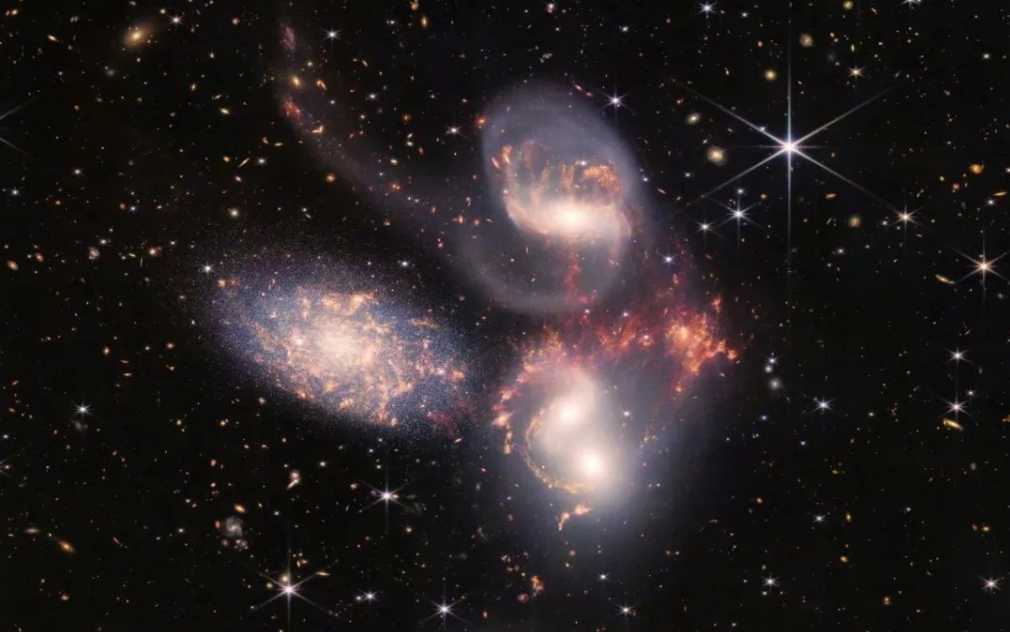
Stephan’s Quintet: A Cosmic Dance of Galaxies Discovered in PegasusStephan’s Quintet: A Cosmic Dance of Galaxies Discovered in PegasusStephan’s Quintet, a fascinating group of galaxies in the constellation Pegasus, was discovered by French astronomer Édouard Stephan in 1877. This galactic ensemble has since captivated astronomers with its dramatic interactions and serves as a prime laboratory for studying galaxy evolution.
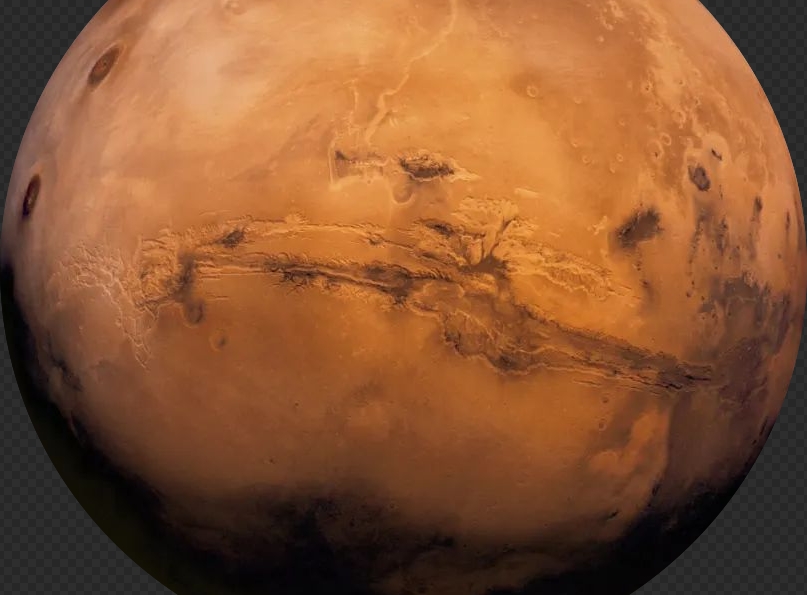
Mars' Magnetic Remnants: The Lost Shield and Its Cosmic ConsequencesMars' Magnetic Remnants: The Lost Shield and Its Cosmic ConsequencesMars, once a potentially habitable world, now bears only the faint traces of a once-mighty magnetic field. Unlike Earth’s global magnetic shield, Mars’ ancient dynamo shut down billions of years ago, leaving behind patchy magnetic anomalies—silent witnesses to a pivotal event that reshaped the planet’s environment. How did Mars lose its magnetic field, and what does this mean for its habitability?
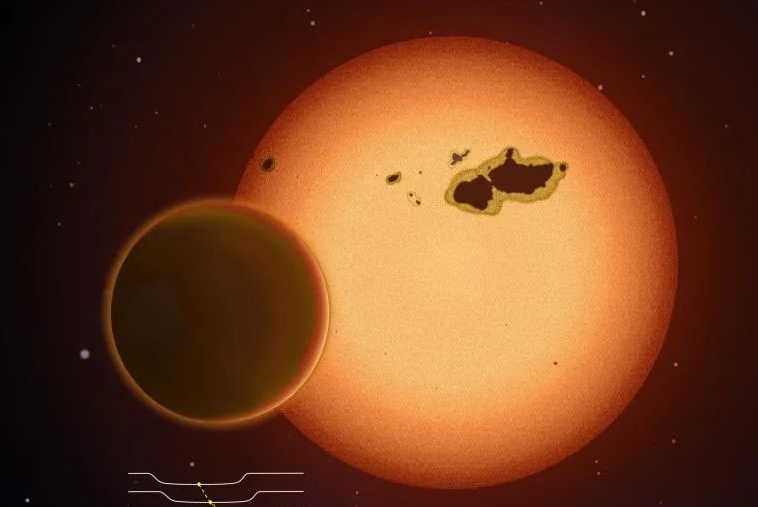
Chinese-led Team Uncovers 'Super-Earth' in Habitable Zone of Sun-like Star Using Novel TTV TechniqueChinese-led Team Uncovers 'Super-Earth' in Habitable Zone of Sun-like Star Using Novel TTV TechniqueA Sino-German research team led by the Yunnan Observatory of the Chinese Academy of Sciences has discovered a "super-Earth" orbiting a Sun-like star, marking a breakthrough in exoplanet detection. Named Kepler-725c, the planet has a mass 10 times that of Earth and resides in the habitable zone of its host star, where liquid water—and potentially life—could exist. The findings, published June 3 in Nature Astronomy, represent the first use of transit timing variation (TTV) inversion to identify such a planet in a Sun-like star’s habitable zone .
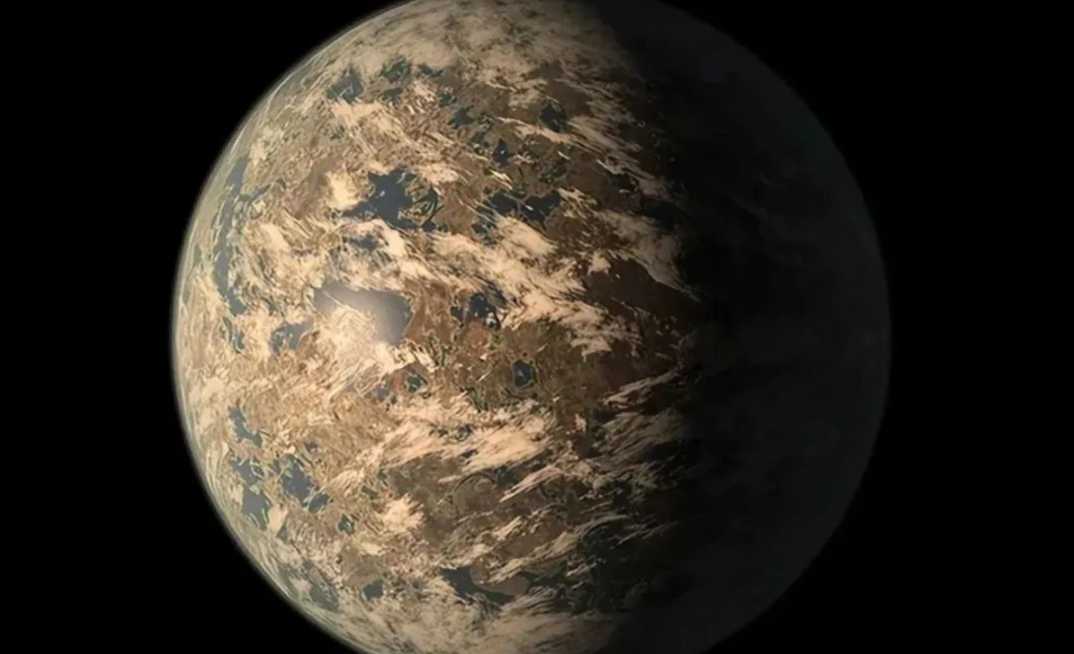
TRAPPIST-1e: High-Hope Exoplanet with 0.95 ESI Faces Tidal Lock ChallengeTRAPPIST-1e: High-Hope Exoplanet with 0.95 ESI Faces Tidal Lock ChallengeTRAPPIST-1e, boasting a 0.95 Earth Similarity Index (ESI), leads seven rocky planets in its system as the most likely to harbor life. But its closeness to the host star has tidally locked all planets, trapping one side in perpetual light and the other in darkness—leaving only a narrow twilight zone as a potential life haven.
Segue 2: The 'Pitiful' Dwarf Galaxy Trapped in the Milky Way's Gravitational GripSegue 2: The 'Pitiful' Dwarf Galaxy Trapped in the Milky Way's Gravitational GripSegue 2, a diminutive galaxy spanning just 220 light-years and hosting fewer than 1,000 stars, stands in stark contrast to giants like IC 1101—making it appear as cosmic "stardust." Scientists suspect this tiny entity is an early-universe "relic," gravitationally bound to the Milky Way, forever stunted in its growth.
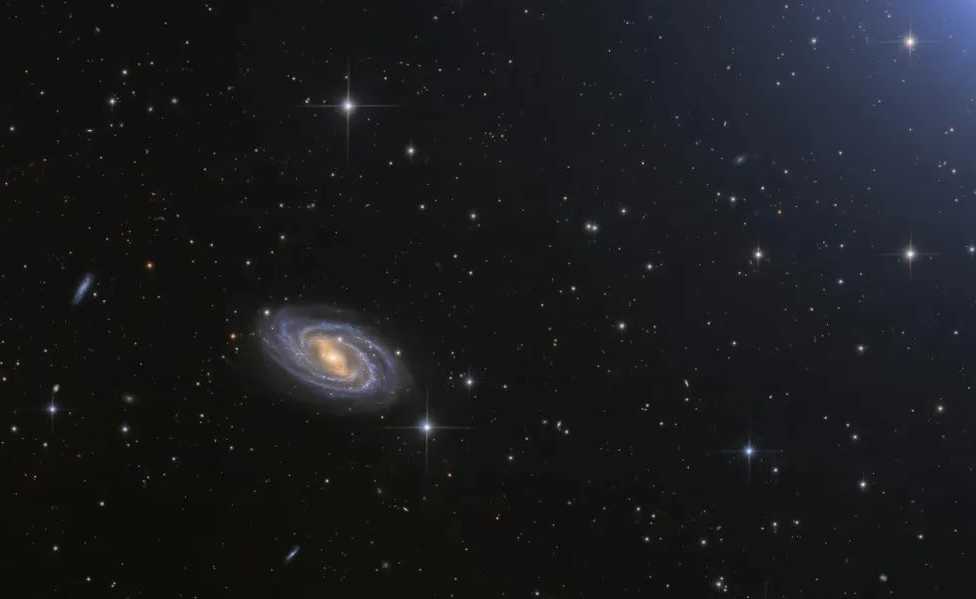
The Magnificent Barred Spiral M109: A Cosmic Masterpiece in Ursa MajorThe Magnificent Barred Spiral M109: A Cosmic Masterpiece in Ursa MajorNestled in the northern constellation Ursa Major beneath the Big Dipper’s handle, the barred spiral galaxy M109 (Messier 109) stands as the 109th entry in Charles Messier’s iconic catalog. Its prominent central bar gives it the shape of the Greek letter "θ," a mathematical symbol fitting for a galaxy that bends cosmic scales: though spanning just 7 arcminutes (0.12 degrees) in the night sky, this celestial wonder stretches 120,000 light-years across at its estimated 60-million-light-year distance.
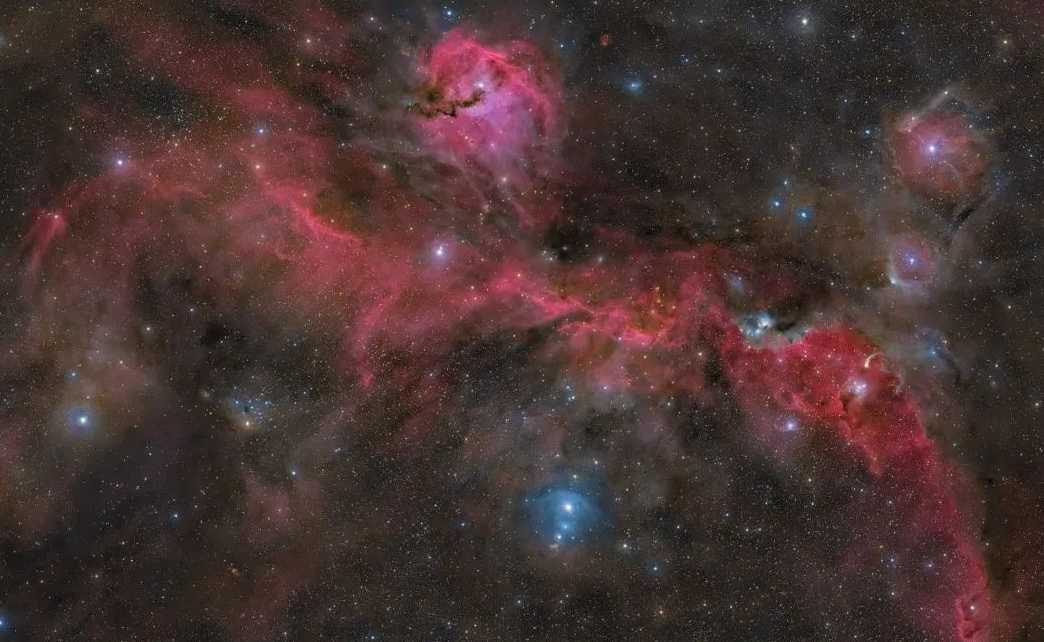
The Seagull Nebula: A Cosmic Avian Marvel in Canis MajorThe Seagull Nebula: A Cosmic Avian Marvel in Canis MajorShaped like a soaring bird from glowing gas and dark dust, the Seagull Nebula captivates stargazers with its celestial avian form. Spanning 3.5 degrees across the galactic plane in Canis Major, toward the star Sirius, this interstellar wonder combines emission nebulae, reflection nebulae, and dramatic shock structures—offering a window into violent stellar processes.
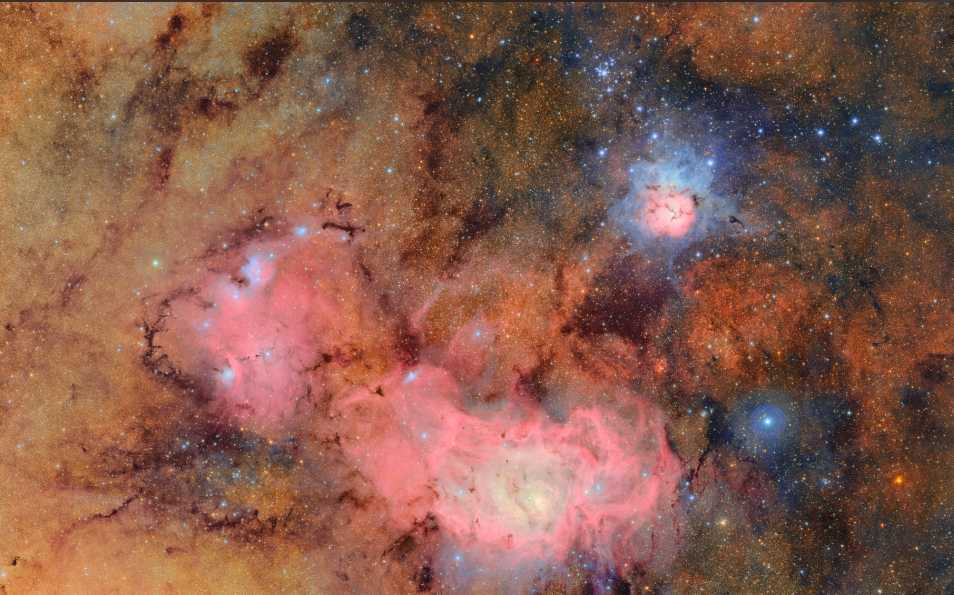
Vera C. Rubin Observatory Reveals Breathtaking Sagittarius Starfield Near Galactic CoreVera C. Rubin Observatory Reveals Breathtaking Sagittarius Starfield Near Galactic CoreThe Vera C. Rubin Observatory, a joint project of the NSF and DOE, has released one of its first images: a 4-degree-wide starfield spanning Sagittarius, showcasing the crowded stellar backdrop toward the Milky Way’s core. The snapshot captures iconic nebulae and clusters, including Messier 8 (the Lagoon Nebula) and Messier 20 (the Trifid Nebula), in stunning detail.
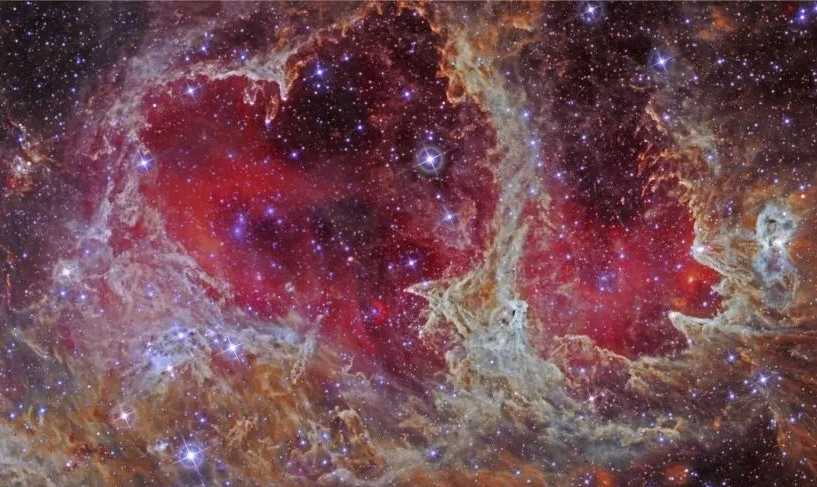
The Cosmic Crucible: How Stars Are Born—Insights from W5's Infrared PortraitThe Cosmic Crucible: How Stars Are Born—Insights from W5's Infrared PortraitThe Core Processes of Star Formation: Gravity and Gas in Cosmic Ballet Stars emerge from dense molecular clouds (composed mainly of hydrogen molecules and dust), with their formation unfolding in critical stages:
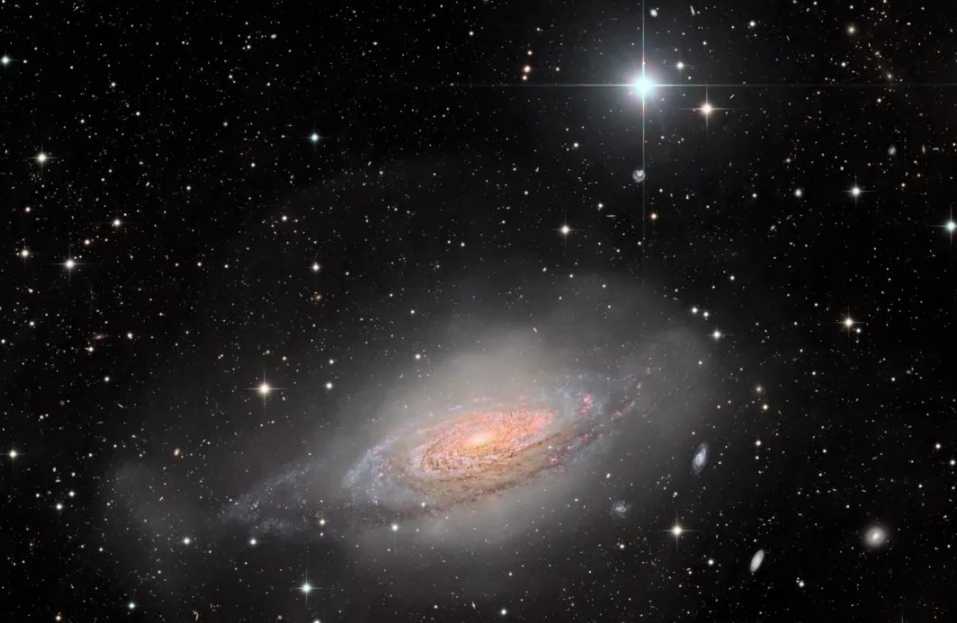
Overlooked Cosmic Jewel: The Stunning Spiral Galaxy NGC 3521Overlooked Cosmic Jewel: The Stunning Spiral Galaxy NGC 3521Just 35 million light-years from Earth in Leo, the springtime northern constellation, lies NGC 3521—a bright spiral galaxy visible through small telescopes yet often overshadowed by amateur astronomers’ focus on Leo’s more famous spirals, M66 and M65. This cosmic portrait reveals its overlooked splendor, hiding a trove of galactic secrets in its swirling arms.
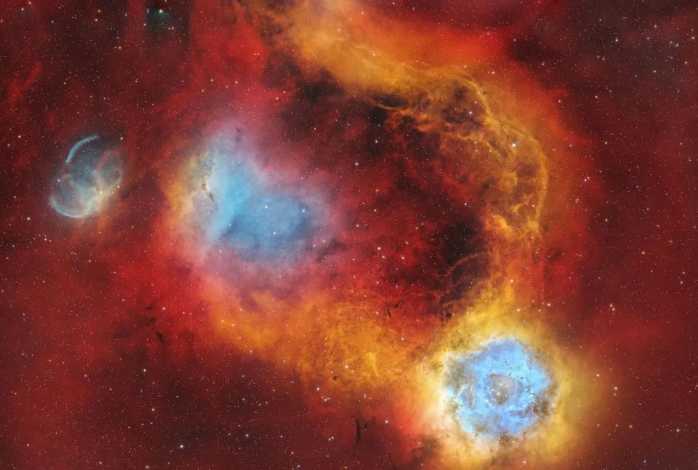
The Real Rosette Nebula: Unveiling Cosmic Petals in MonocerosThe Real Rosette Nebula: Unveiling Cosmic Petals in MonocerosIs that red petal-like cloud the Rosette Nebula? The famous Rosette Nebula actually lies in the lower-right of this image, appearing blue-white and connected by golden filaments to other nebulae. The central upper "petals" are a visual mimic—true cosmic blooms reveal themselves in this deep-sky close-up, where infrared red exposures unlock hidden floral structures around NGC 2237.
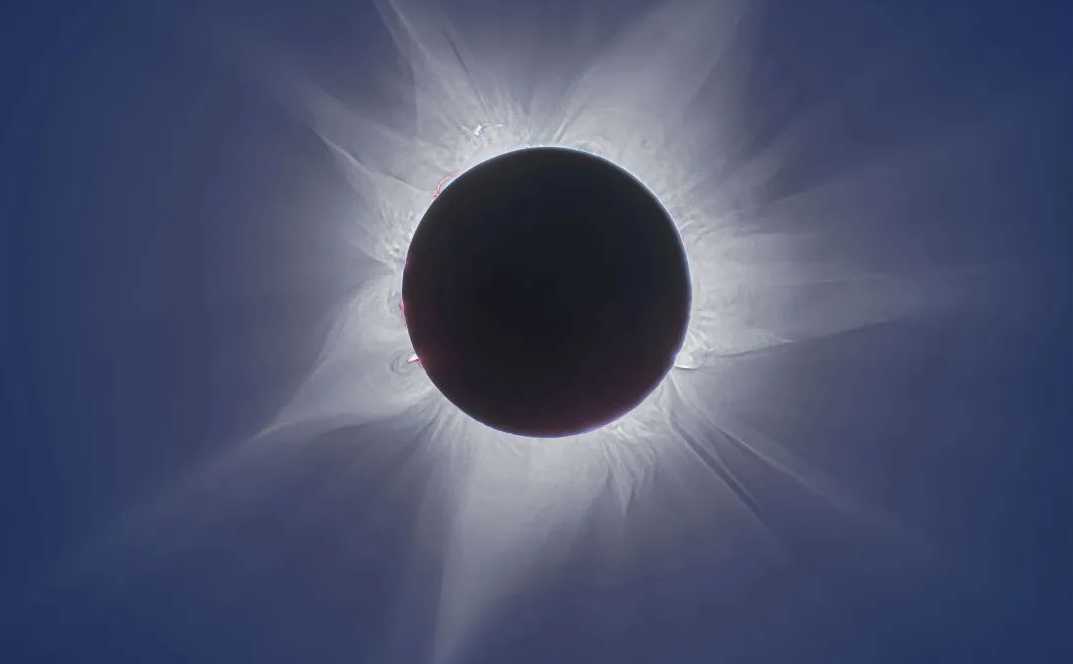
Rare Hybrid Solar Eclipse Captures Breathtaking Corona in 2023Rare Hybrid Solar Eclipse Captures Breathtaking Corona in 2023On April 20, 2023, a new moon's shadow swept across Earth's Southern Hemisphere, creating a rare hybrid solar eclipse. Observers along its narrow path—largely over water—witnessed either a total or annular eclipse ("ring of fire"), depending on their location. The event combined the rarity of both eclipse types in a single path.
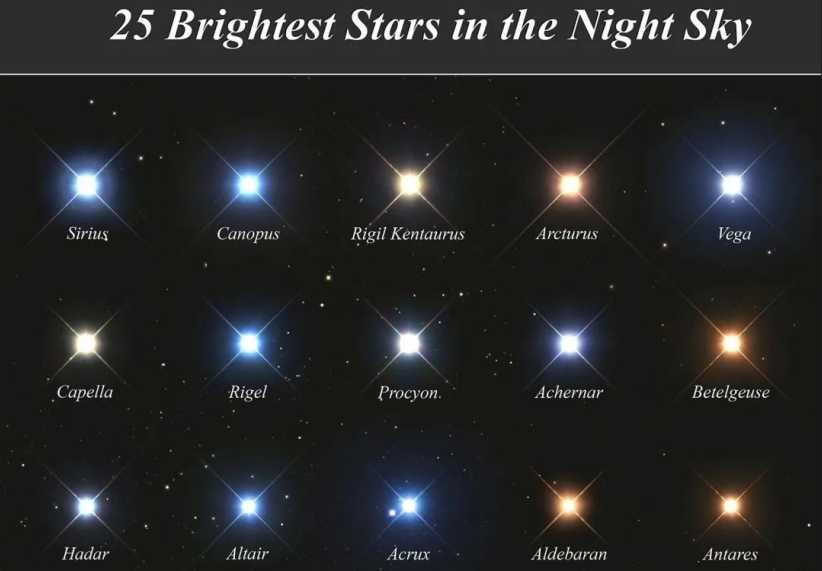
The Brightest Stars in the Night Sky: IAU-Named Icons and Their Ancient TalesThe Brightest Stars in the Night Sky: IAU-Named Icons and Their Ancient TalesFor millennia, humanity has named the brightest stars, weaving their light into myths and calendars. Today, the International Astronomical Union (IAU) standardizes these names to unite global science, but each moniker still holds cultural treasures. Here’s a journey through the 25 brightest stars—by apparent magnitude—with their IAU-designated names and the stories behind them.
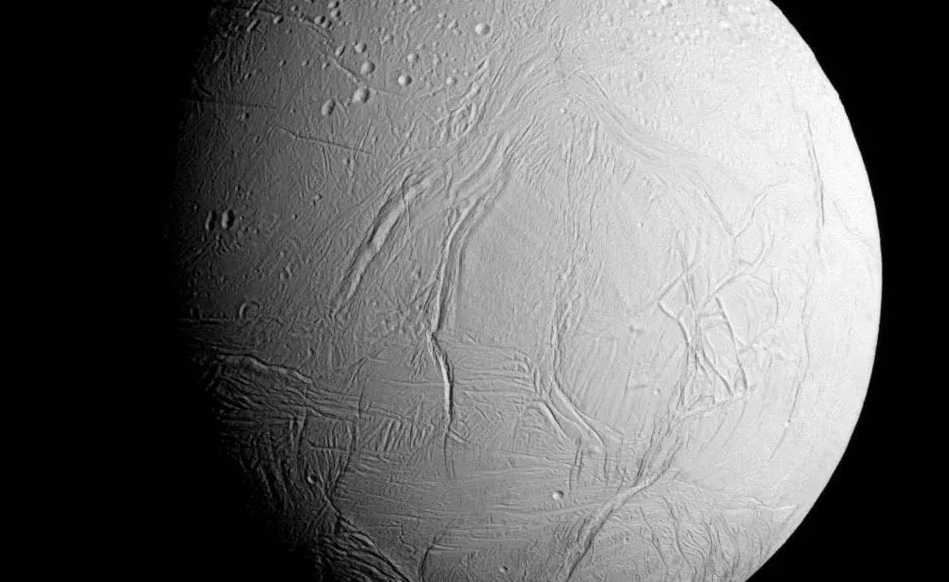
Saturn’s Enceladus: Does an Ocean beneath Ice Harbor Life?Saturn’s Enceladus: Does an Ocean beneath Ice Harbor Life?Enceladus, Saturn’s icy moon, harbors a subsurface ocean beneath tiger-stripe fractures that erupt icy particles into space. These geysers form a dense ice cloud over the south pole, feeding Saturn’s faint E ring. The Cassini spacecraft (2004–2017) provided definitive evidence, capturing this true-color, high-resolution image during a close flyby, revealing shadowed ice chasms and active vents.