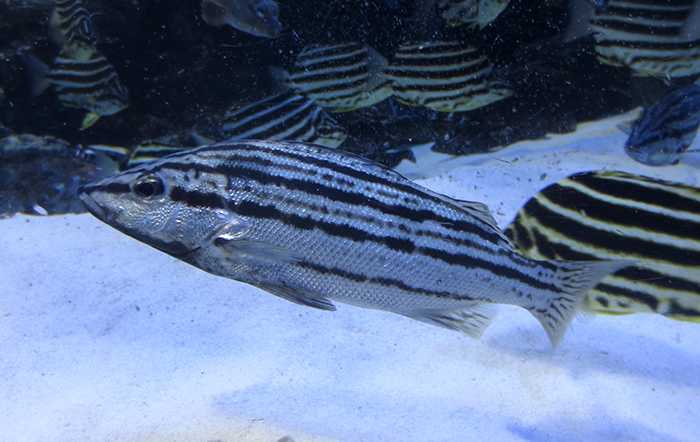
Rhynchopelates oxyrhynchus: The Sharpbeak Terapon of Asian Coastal SeasRhynchopelates oxyrhynchus: The Sharpbeak Terapon of Asian Coastal Seas
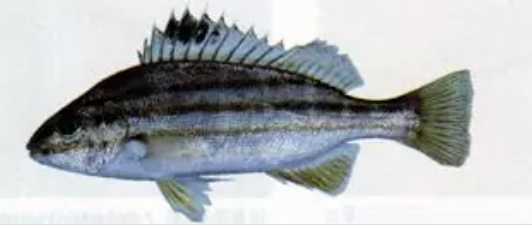
Pelates quadrilineatus: The Four-Banded Terapon of Tropical WatersPelates quadrilineatus: The Four-Banded Terapon of Tropical Waters
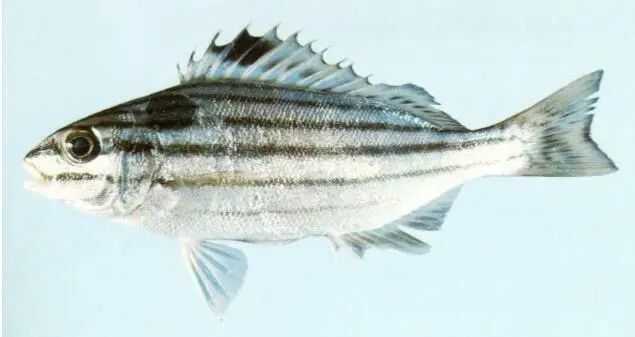
Pelates sexlineatus: The Six - Striped Grunter of Australian WatersPelates sexlineatus: The Six - Striped Grunter of Australian Waters
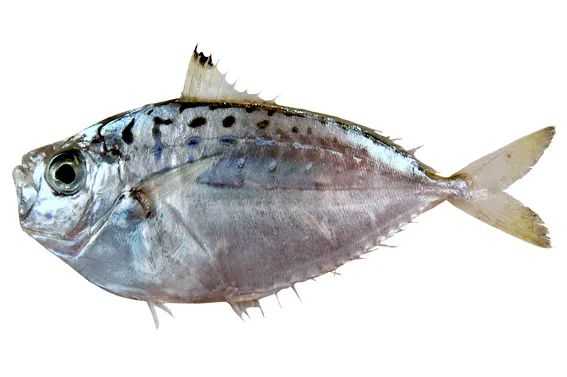
Secutor insidiator: The Broad-Bodied Ponyfish of Tropical SeasSecutor insidiator: The Broad-Bodied Ponyfish of Tropical Seas
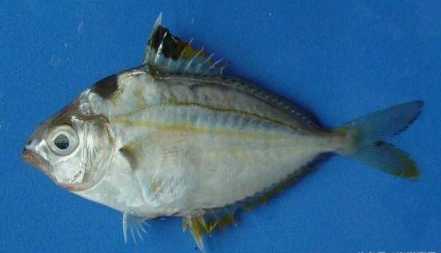
Equulites rivulatus: The Collared Ponyfish of Tropical ShoresEquulites rivulatus: The Collared Ponyfish of Tropical ShoresEquulites rivulatus, commonly known as the collared ponyfish or neck-banded ponyfish, is a small, agile species within the Leiognathidae family, inhabiting the warm coastal waters of the Indo-Pacific region. Recognized by its distinctive neck band and streamlined form, this fish is a notable member of shallow marine and estuarine ecosystems, celebrated for its unique appearance and ecological role.
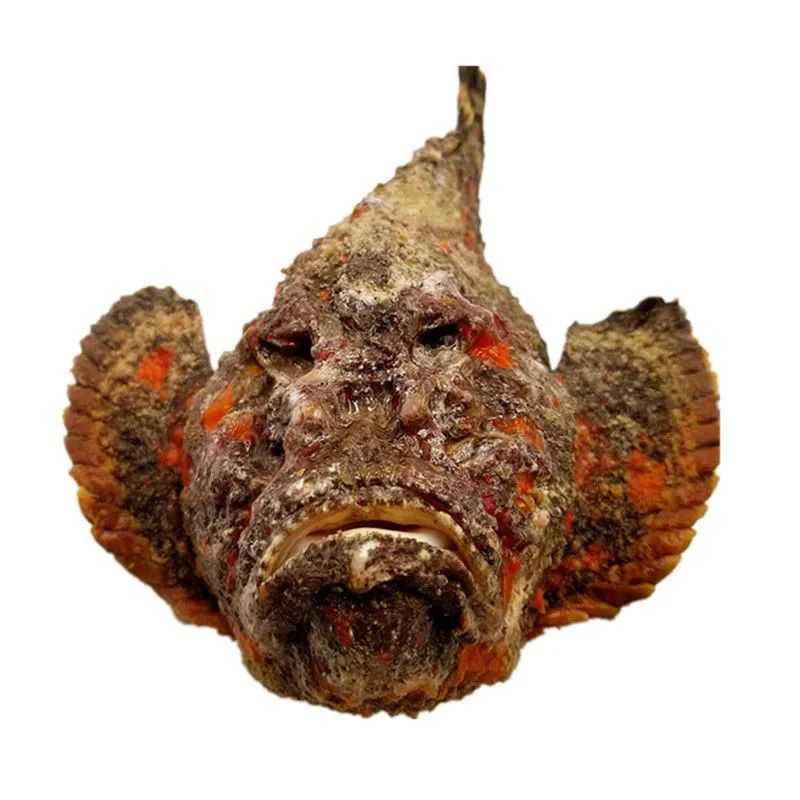
Venomous Predators of the Seas: The Stonefish and the LionfishVenomous Predators of the Seas: The Stonefish and the LionfishAmong the ocean’s most formidable and venomous inhabitants, the stonefish (Synanceia verrucosa) and the lionfish (Pterois volitans), often referred to as the "lady fish" and "gentleman fish" respectively, pose significant threats to marine life and humans alike. These species, renowned for their potent toxins and striking appearances, dominate coastal ecosystems with their lethal defensive mechanisms.
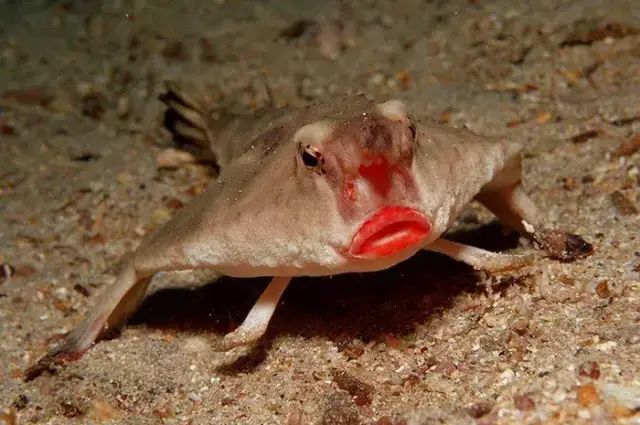
The Galapagos Walking Fish: A Species That 'Walks' on the Ocean Floor Instead of SwimmingThe Galapagos Walking Fish: A Species That 'Walks' on the Ocean Floor Instead of SwimmingDiscovered in the diverse marine ecosystems of the Galapagos Islands, a unique fish species has astonished scientists with its unconventional locomotion: rather than swimming, it "walks" along the ocean floor using modified pectoral fins. This extraordinary creature, known as the red-lipped batfish (Ogcocephalus darwini), exemplifies the bizarre adaptations that evolve in isolated environments like the Galapagos.
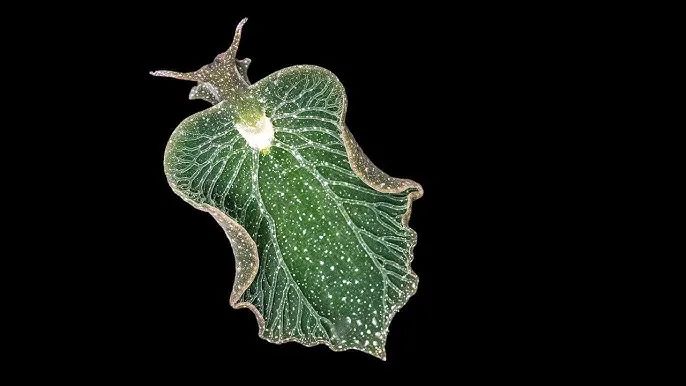
The Leaf Sheep Slug: Nature’s Photosynthetic Marvel That 'Steals' Chloroplasts to SurviveThe Leaf Sheep Slug: Nature’s Photosynthetic Marvel That 'Steals' Chloroplasts to SurviveThe leaf sheep slug (Elysia chlorotica), a marine gastropod, defies biological norms by hijacking chloroplasts from algae and using them for photosynthesis—allowing it to go 9 to 10 months without eating. This extraordinary ability, known as kleptoplasty, has made it a celebrity in the scientific world, blurring the line between animal and plant.
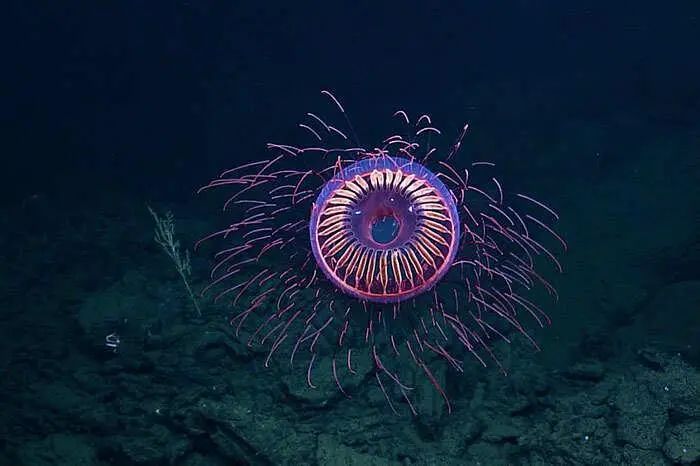
The Fireworks Jellyfish: Deep-Sea Marvel Illuminating 1,200–1,500 Meters Below the SurfaceThe Fireworks Jellyfish: Deep-Sea Marvel Illuminating 1,200–1,500 Meters Below the SurfaceDiscovered in the pitch-black abyssal zone, the fireworks jellyfish (Halitrephes maasi) earns its name from its spectacular bioluminescent display—vibrant orange and pink tentacles that explode like celestial pyrotechnics in the ocean’s darkest depths. Thriving between 1,200 and 1,500 meters, this gelatinous creature has captivated marine biologists with its otherworldly appearance and mysterious life cycle.
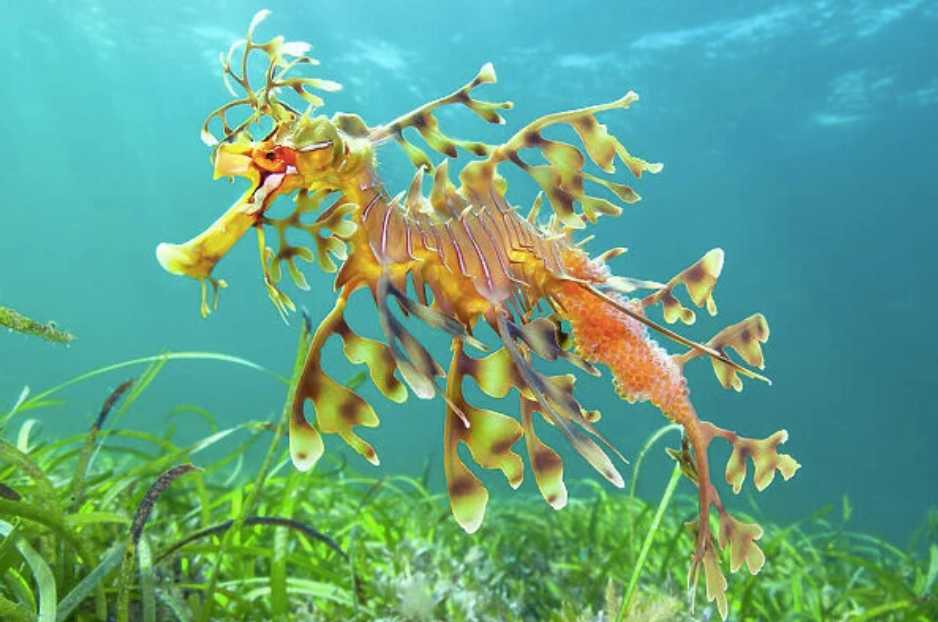
The Leafy Sea Dragon: Master of Marine Camouflage from Australia’s Coastal WatersThe Leafy Sea Dragon: Master of Marine Camouflage from Australia’s Coastal WatersBelonging to the genus Phycodurus within the seadragon family (Syngnathidae), the leafy sea dragon is a remarkable fish adapted to life along the southern and western coasts of Australia. Recognized for its elaborate leaf-like appendages, this species has evolved one of nature’s most extraordinary camouflage strategies, blending seamlessly with oceanic vegetation.
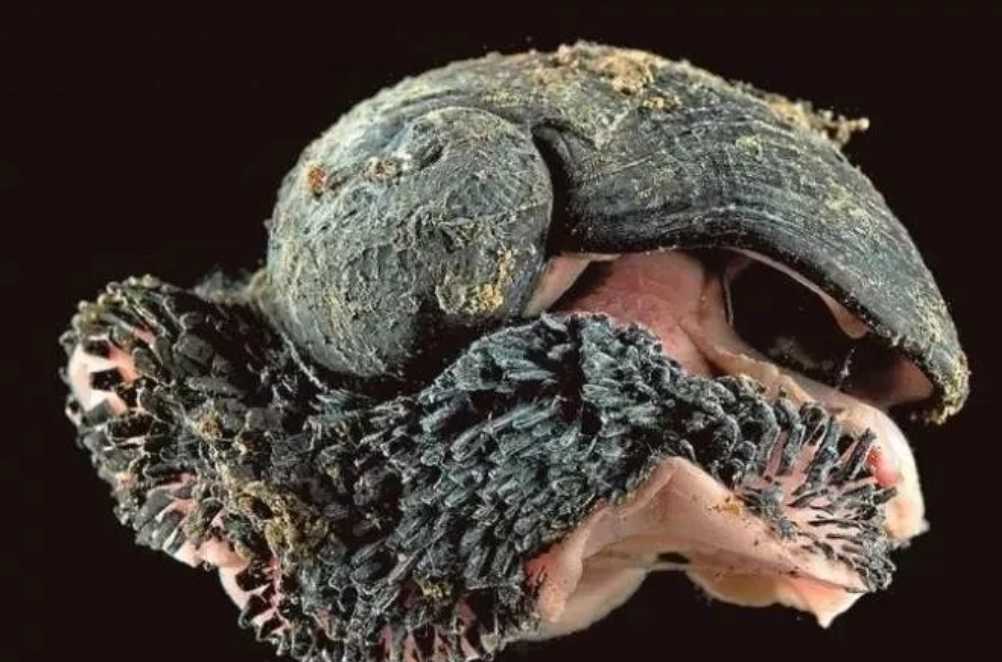
The Armor-Plated Scaly-Foot Snail: Deep-Sea Marvel of the Indian OceanThe Armor-Plated Scaly-Foot Snail: Deep-Sea Marvel of the Indian OceanLiving near hydrothermal vents in the Indian Ocean, the scaly-foot snail (Chrysomallon squamiferum) defies survival norms with its iron-clad armor and ability to withstand 350°C temperatures. This extraordinary gastropod, discovered in 2001 near the Kairei hydrothermal field, boasts a three-layered shell infused with iron sulfides, making it one of the few animals on Earth to incorporate metal into its exoskeleton. Its survival hinges on a tiny habitat—just two football fields in size—where it thrives in a world devoid of sunlight, relying on bacterial symbiosis for nutrition.