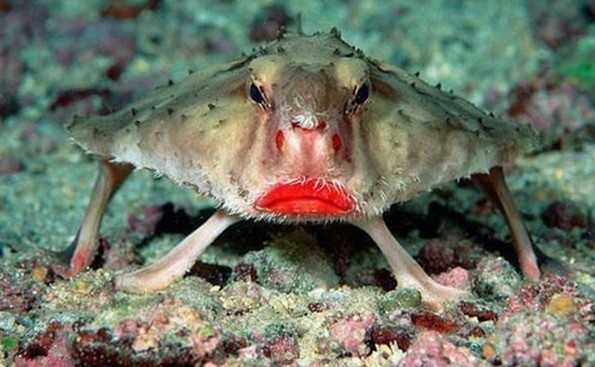
The Red-Lipped Batfish: Galápagos’ Quirky Underwater Celebrity with a Pouty Predatory StyleThe Red-Lipped Batfish: Galápagos’ Quirky Underwater Celebrity with a Pouty Predatory Style
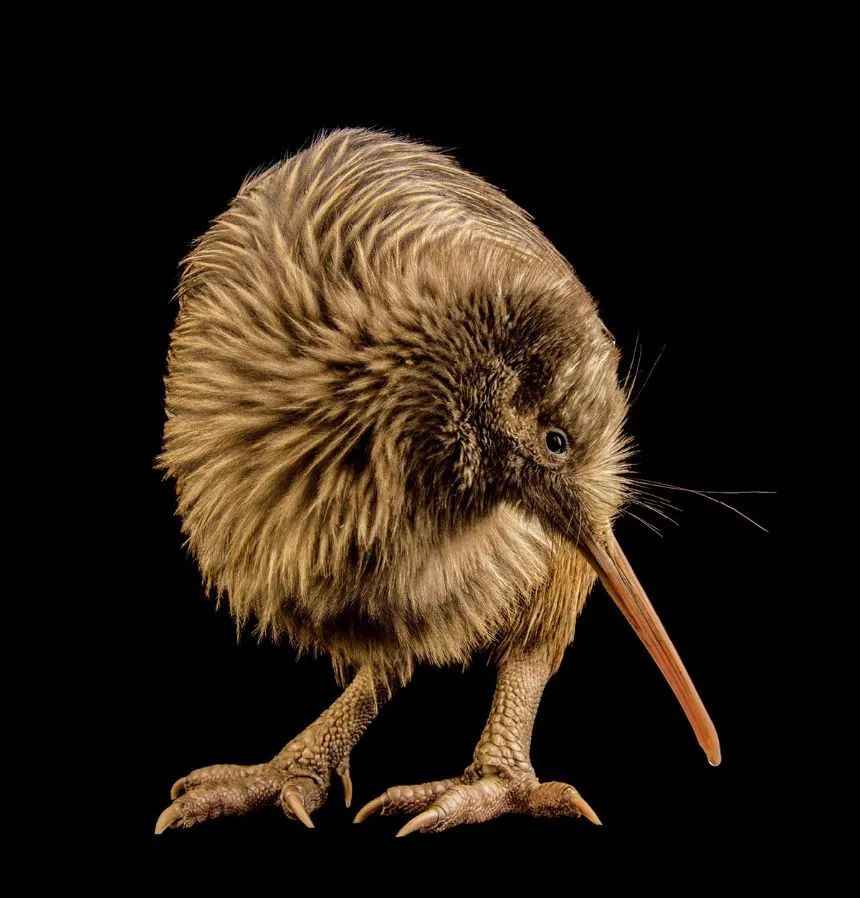
Endemic Okarito Brown Kiwis in New Zealand Face Severe Threat from Invasive SpeciesEndemic Okarito Brown Kiwis in New Zealand Face Severe Threat from Invasive Species
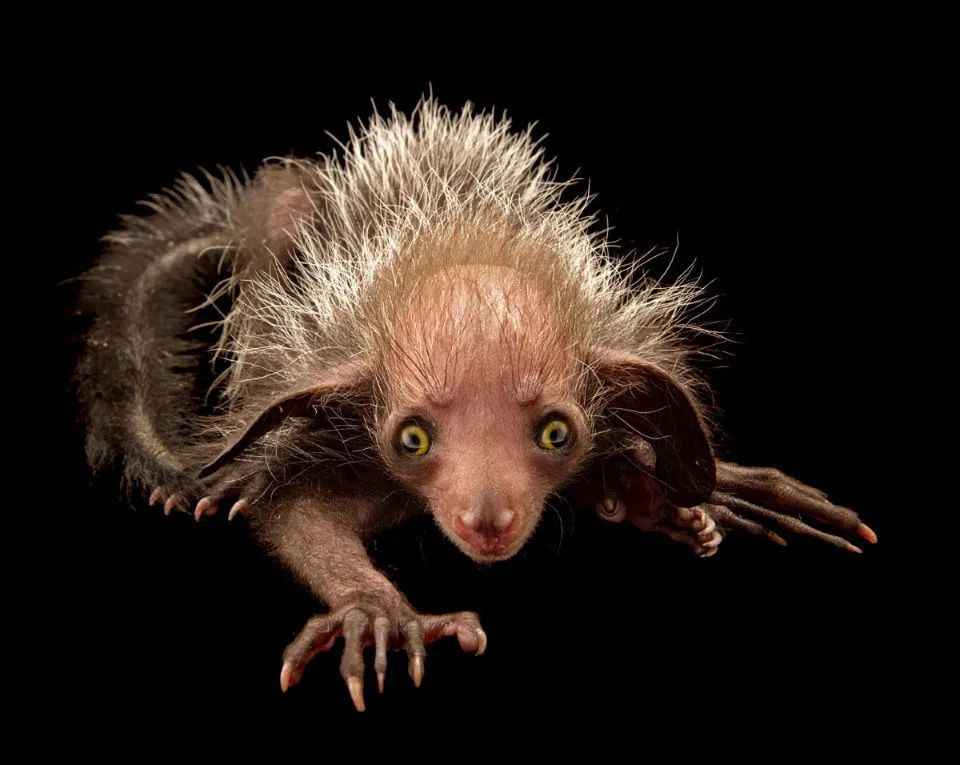
Madagascar's Aye-Aye: Endangered Creature Haunted by 'Cursed' DigitMadagascar's Aye-Aye: Endangered Creature Haunted by 'Cursed' Digit
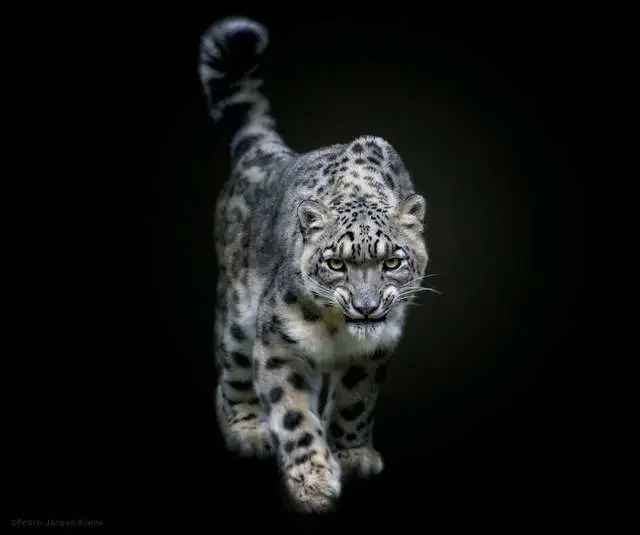
The Ghost of the Himalayas: Unveiling the World's Most Enigmatic Big CatThe Ghost of the Himalayas: Unveiling the World's Most Enigmatic Big Cat
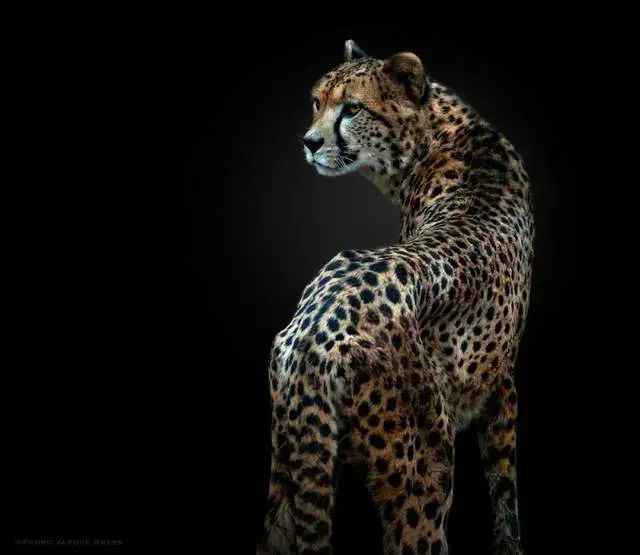
Cheetah Populations Collapse: Iconic African Species Edges Toward ExtinctionCheetah Populations Collapse: Iconic African Species Edges Toward ExtinctionNAIROBI, Kenya — July 18, 2025 — Once numbering around 100,000 across Africa in the 20th century, the cheetah population has plummeted to a mere 7,500 individuals today, pushing the world’s fastest land animal onto an ever-growing list of species teetering on the brink of extinction. This dramatic decline underscores a crisis that threatens to erase one of Africa’s most iconic predators.
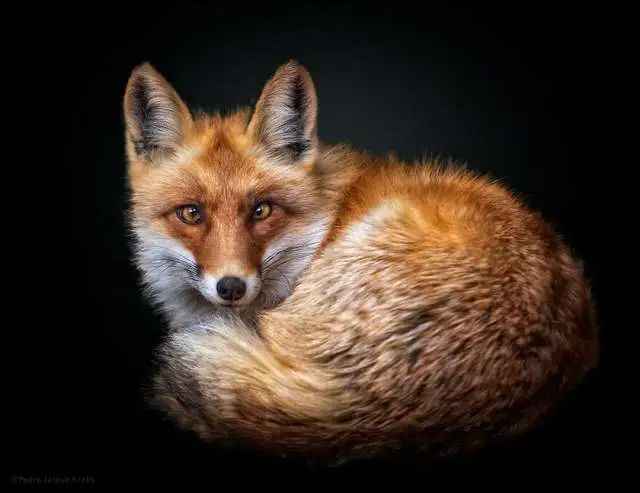
Red Fox: A Master of Adaptation in the WildRed Fox: A Master of Adaptation in the WildRed foxes, scientifically known as Vulpes vulpes, are among the most widespread and adaptable carnivores on Earth, thriving across diverse habitats from the frozen tundras of the Arctic to the bustling outskirts of urban centers. Their iconic rusty-red coat, white underbelly, and bushy tail—often tipped with white—make them easily distinguishable, while their pointed ears and sharp snouts reflect their keen senses, critical for survival.
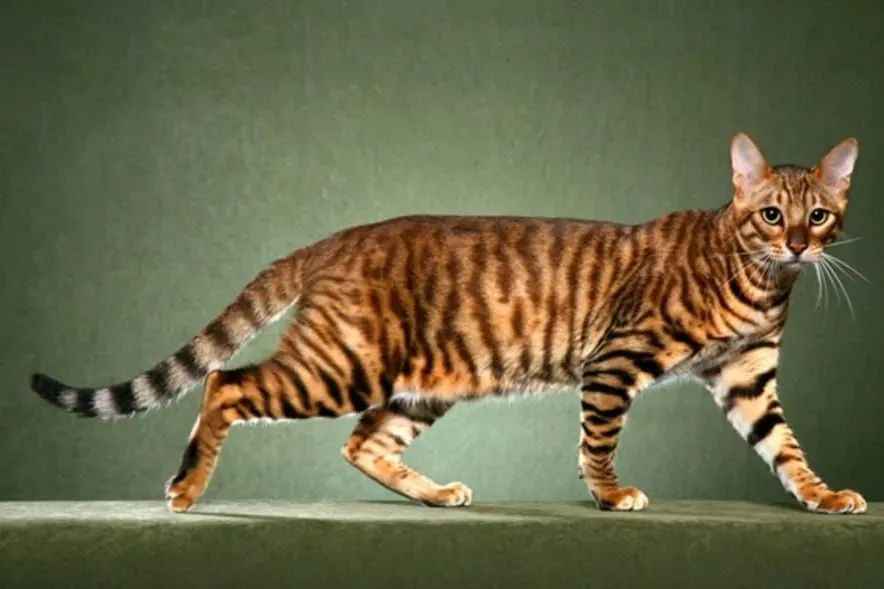
Toyger: The Feline Breed That Channels the Spirit of TigersToyger: The Feline Breed That Channels the Spirit of TigersIn the realm of domestic cats, one breed stands out for its striking resemblance to the wild tiger—the Toyger. Bred to capture the essence of its majestic big cat cousin in a compact, household-friendly form, this unique feline has been turning heads among pet enthusiasts worldwide.
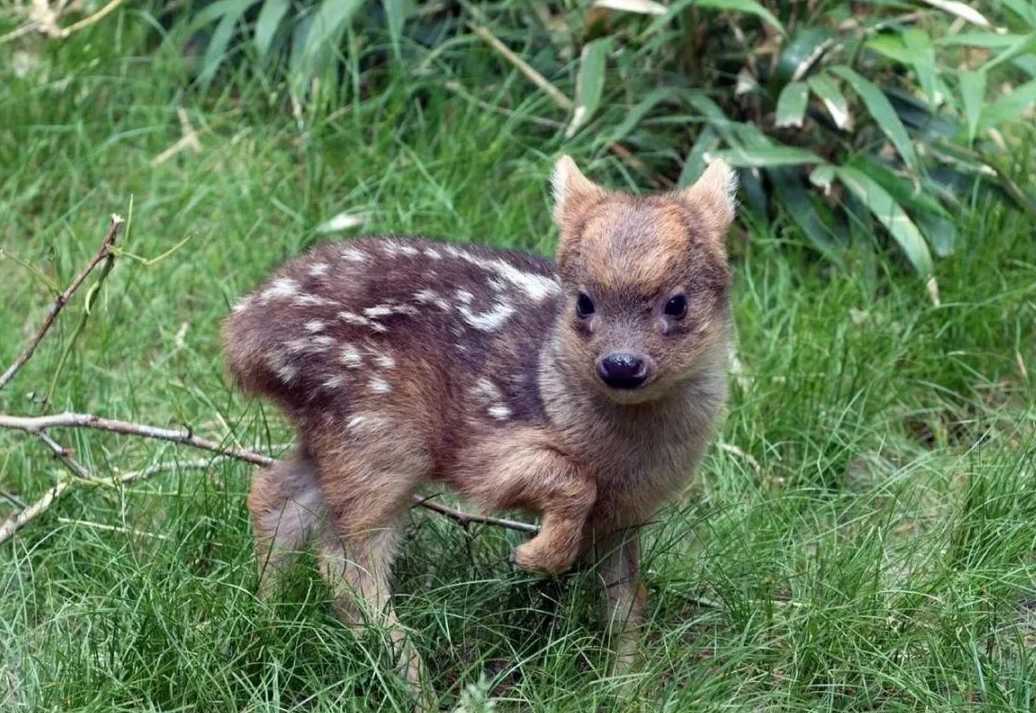
The World’s Tiniest Deer: Pudu, a Pocket-Sized Marvel of the AndesThe World’s Tiniest Deer: Pudu, a Pocket-Sized Marvel of the AndesHolding the title of Earth’s smallest deer, the pudu (Pudu pudu and Pudu mephistophiles) enchants biologists with its miniature stature—standing just 30 to 40 centimeters tall as an adult. Native to the Andean forests of Chile and Argentina, this deer species defies expectations with its rabbit-like size, short tail, and endearing appearance, thriving in dense undergrowth where larger ungulates cannot venture.
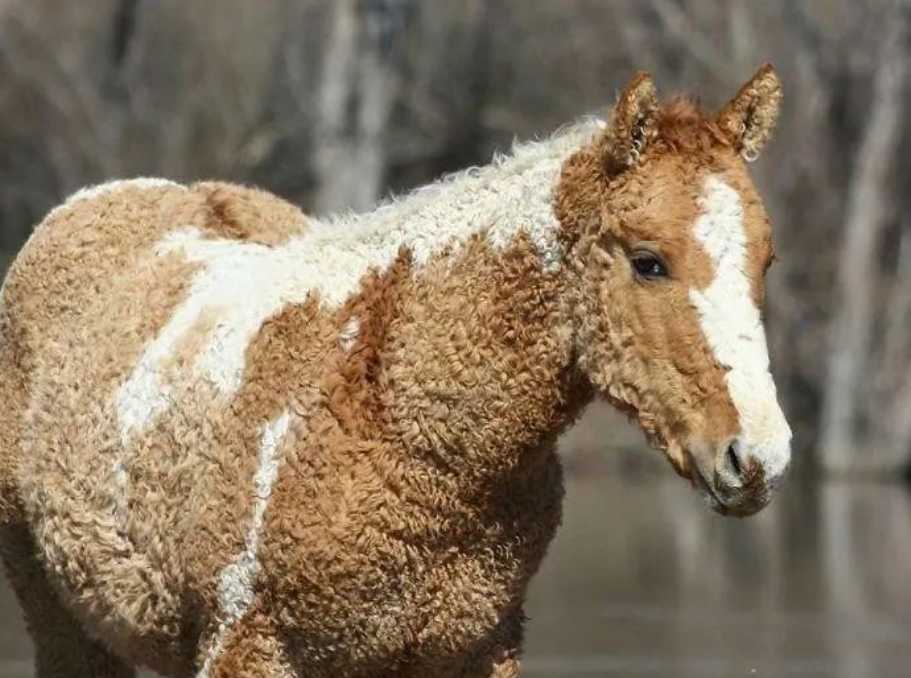
The Bashkir Curly Horse: Nature’s Living Mane Masterpiece Bred by Bashkir PeopleThe Bashkir Curly Horse: Nature’s Living Mane Masterpiece Bred by Bashkir PeopleHailing from the Ural Mountains of Russia, the Bashkir curly horse (Bashkirskaya Kruglaya) stands out with its most iconic trait—dense, spiral - curled fur that resembles a meticulously styled perm. Bred for centuries by the Bashkir people, this rare breed combines striking aesthetics with remarkable hardiness, thriving in the harsh climates of its native land.
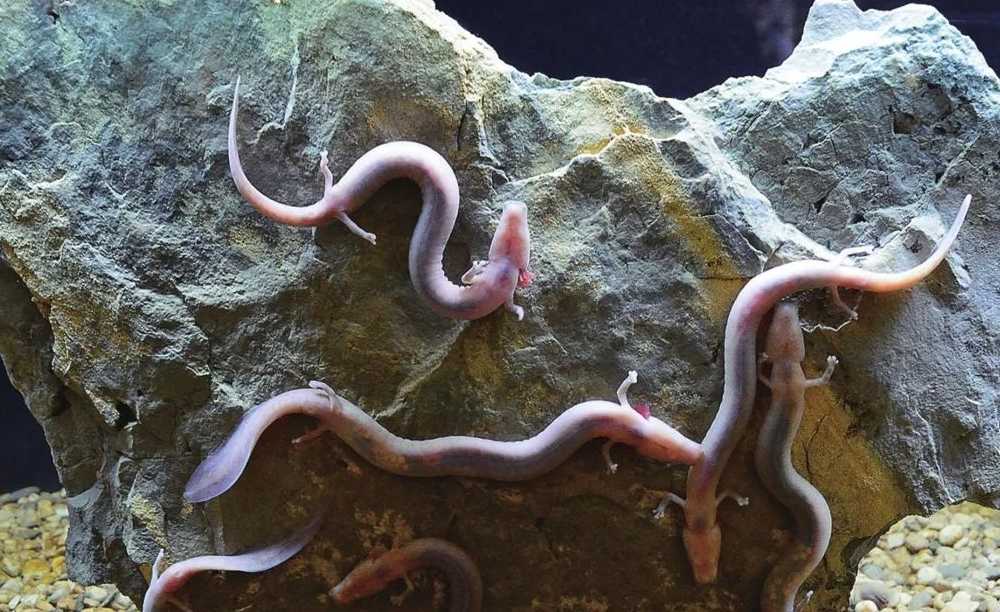
The Olm: Nature’s Living 'Dragon' of Alpine CavesThe Olm: Nature’s Living 'Dragon' of Alpine CavesOften hailed as the closest real-life counterpart to mythical dragons, the olm (Proteus anguinus) dwells in the limestone caves of the Alps. With a serpentine body, tiny limbs, and three pairs of vibrant red feathery gills, this amphibian bears an uncanny resemblance to legendary dragon depictions—minus scales. Native to underwater cave systems in Slovenia, Croatia, and Bosnia, it has inspired myths for centuries, and its image is frequently misused in online hoaxes claiming to show "baby dragons."
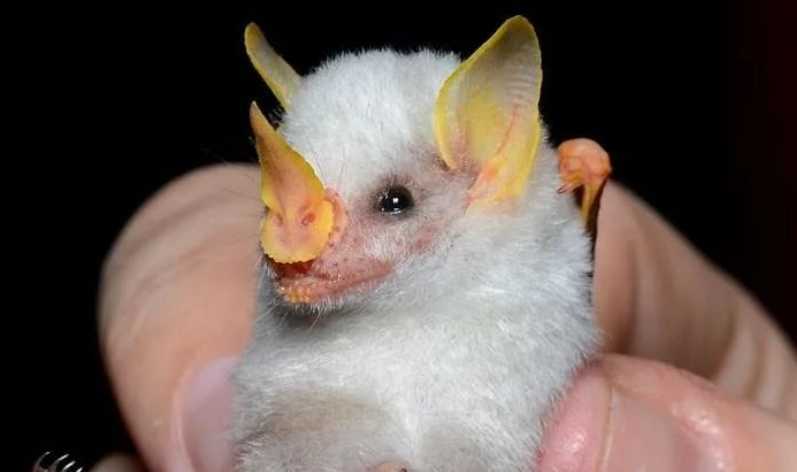
The Honduran White Bat: Nature’s Fluffy, Pastel-Colored Flying PuffballThe Honduran White Bat: Nature’s Fluffy, Pastel-Colored Flying PuffballHailed as the world’s cutest bat, the Honduran white bat (Ectophylla alba) charms with its snowy-white fur, vibrant orange nose, ears, and wings—a whimsical color palette that defies all bat stereotypes. Native to the rainforests of Central America (Honduras, Nicaragua, Costa Rica, and Panama), this tiny chiropteran measures just 3–5 cm long, making it one of the smallest bat species on Earth. Its cottony appearance and miniature size have earned it a reputation as the "teddy bear of the bat world."